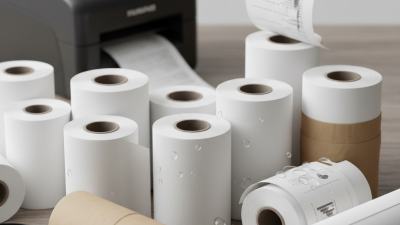
Picking out the best Receipt Rolls for your biz can feel a bit overwhelming, right? With so many options out there, all claiming to be the top choice, it can be tough to know where to start. It really pays to think about what *you* actually need. For example, what works great for a retail shop might not be the best pick for a busy restaurant.
Don't forget about quality—cheap Receipt Rolls might seem like a good deal at first, but they often smudge or fade quickly, which no one wants. Your customers deserve crisp, durable receipts they can read easily. Also, make sure the rolls you choose are compatible with your printer—nothing's more frustrating than trying to fit a roll and it just doesn’t work.
If being eco-friendly matters to you, there are also some awesome environmentally friendly options out there. Plus, have a think about your branding—do you want special colors or designs? At the end of the day, finding the right receipt roll usually involves balancing a few things: quality, compatibility, and responsibility. It might take a little trial and error, but trust me, the right choice can really boost customer satisfaction and make your day-to-day operations smoother.
Understanding Receipt Rolls: Types and Their Functions
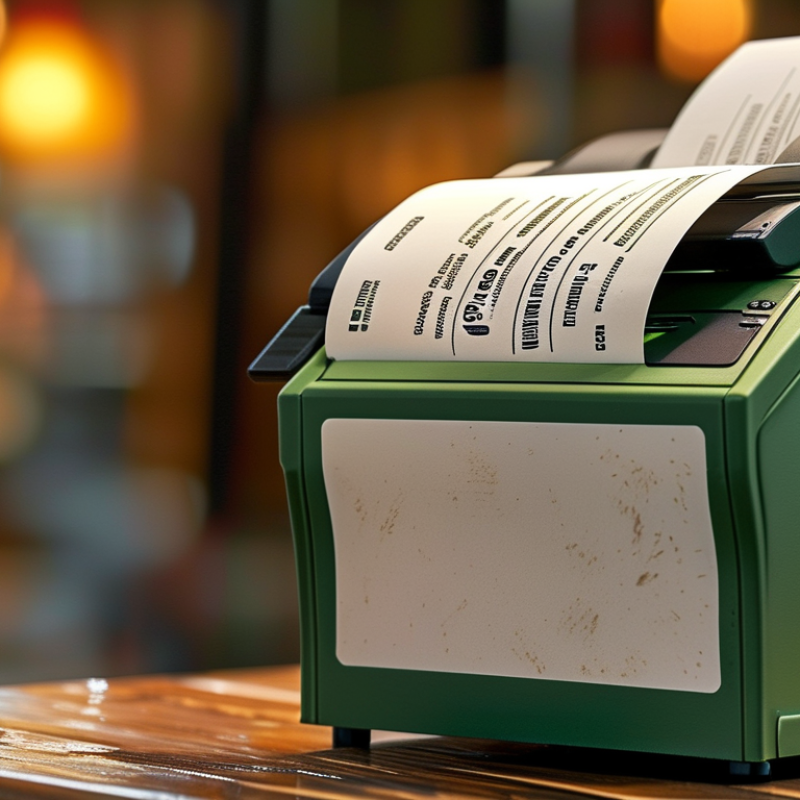
Choosing the right receipt rolls for your business requires understanding their types and functions. Receipt rolls come in various materials, including thermal and Bond Paper. Thermal rolls are popular for point-of-sale systems. They offer fast printing and do not require ink. However, they are sensitive to heat and light.
Bond paper rolls are another option. These are durable and often used for receipts that need to last. They work well with ink printers. While they may take longer to print, they often provide better quality. It's important to consider the environment where the rolls will be used. For instance, in bright or high-temperature settings, thermal rolls might fade quickly.
When selecting your receipt rolls, think about the type of transactions you will make. Will you need long-lasting receipts for returns? Or are quick transactions your priority? Pay attention to the size and compatibility with your printer. Remember that using the wrong rolls can lead to issues like paper jams. Conducting thorough research on evolving trends in receipt materials can help ensure you make the best choices for your business needs.
Key Factors in Selecting Receipt Rolls for Your Business Needs
When choosing receipt rolls, several key factors come into play. Quality is paramount. According to recent industry reports, about 25% of businesses experience downtime due to poor quality paper. This can lead to a loss of revenue and customer trust. Reliable suppliers can help ensure smooth operations. You should also consider the compatibility of Receipt Printer Paper Rolls with your existing hardware. Mismatches can result in operational hiccups and wasted resources.
Another important factor is size and thickness. The most common roll sizes are 80mm and 57mm, but the thickness can vary. A survey by Retail Tech Insights indicated that many retailers overlook the thickness, which affects ink absorption and print clarity. If the paper is too thin, it risks tearing during printing. A focus on durability can prevent costly disruptions.
Sustainability is increasingly vital as well. Many consumers value eco-friendly options. Reports show that around 60% of shoppers prefer businesses that practice sustainability. Choosing eco-conscious Receipt Printer Paper Rolls can enhance brand reputation. However, sourcing sustainable materials can be challenging. Balancing cost and environmental impact isn't always straightforward. Thus, careful consideration is needed when selecting paper rolls that align with your business values and operational needs.
Industry Standards: Thermal vs. Impact Receipt Rolls Explained
When choosing receipt rolls, understanding the difference between thermal and impact options is crucial. Thermal receipt rolls use a heat-sensitive coating. They produce clear images when heat is applied. This process is efficient and quiet. Many industries prefer thermal rolls for their simplicity. However, they can fade over time if exposed to sunlight or heat. It’s essential to consider these drawbacks when making your choice.
On the other hand, impact receipt rolls use a different technology. They rely on a printer that strikes to create an image. This method ensures durability and can withstand various environments. Businesses that need long-lasting receipts often choose impact rolls. The trade-off here is that these rolls tend to be noisier and slower during printing. They also typically require more maintenance.
Both types of rolls have their merits and limitations. It’s important to evaluate your business needs carefully. Questions about longevity versus clarity can guide your decision. Selecting the right roll affects not only how efficient your operations are but also customer satisfaction. Take time to weigh these factors before making a choice.
Assessing Cost-Effectiveness: Price Comparisons of Receipt Rolls
When evaluating the cost-effectiveness of receipt rolls for your business, consider various factors beyond just the price tag. Quality plays a vital role; cheaper rolls often lead to more frequent jams or prints that fade quickly. The cost of replacing these rolls can quickly accumulate, negating any initial savings. It's essential to strike a balance between price and durability.
Comparing prices can reveal significant differences. Some suppliers might offer bulk discounts, while others may have ongoing promotions. However, it's crucial to assess the total cost of ownership. Don't forget to factor in shipping fees and potential returns due to poor quality. Some businesses may fall into the trap of focusing solely on upfront costs, which can lead to larger expenses down the line.
Seek reviews from other users to gauge reliability. Engage with your network or industry forums to understand different experiences. Sometimes, a seemingly great deal could result in a less satisfactory performance. Documenting your experiences with various rolls can also help refine future purchasing decisions. Ultimately, navigating price comparisons requires diligence and a focus on long-term value rather than immediate savings.
Optimal Size and Length: Tailoring Receipt Rolls to Your Equipment
When selecting receipt rolls for your business, size and length are crucial. The optimal size complements your Thermal Receipt Printer Paper Rolls effectively. Common sizes, like 80mm and 57mm, suit most point-of-sale systems. According to industry reports, businesses saw a 30% efficiency increase by using the right roll sizes matching their printer specifications.
Length matters significantly as well. Standard rolls usually come in lengths ranging from 30 to 100 meters. A longer length may seem ideal, but managing larger rolls can be a hassle. Receivers should consider their operational needs. For instance, dynamic environments where receipts are frequently printed may benefit from shorter rolls, reducing wait times. A 20% increase in operational speed was reported by businesses that tailored roll lengths to their printing frequency.
Opt for thermal receipt printer paper rolls that match your equipment specifications. Always evaluate your printer's performance and the roll capacity. It is key to ensure that the chosen size prevents paper jams and reduces wastage. If consistency and reliability are not there, the business could suffer. Ultimately, even minor adjustments can impact customer satisfaction and overall operational effectiveness.
The Importance of Print Quality: Choosing the Right Paper Types
Choosing the right paper types for your receipt rolls significantly impacts print quality. High-quality Receipt Paper ensures that transactions are clear and legible. According to a report from the National Retail Federation, businesses lose about $5 billion annually due to poor print quality. It highlights the importance of investing in suitable paper types for improved customer experiences.
When selecting receipt paper, consider its thermal sensitivity. Papers with higher thermal sensitivity produce clearer prints, which fade less quickly over time. A study from the International Journal of Retail & Distribution Management indicates that clear, durable receipts can enhance customer satisfaction by 30%. This shows that print quality isn’t just aesthetic; it affects business reputation.
Tip: Always opt for BPA-free receipt paper. This choice is safer for customers and employees alike. Additionally, explore various weights and finishes. Thicker papers may feel more premium, but could impact your printer's performance. Paying attention to these details helps ensure your receipt paper aligns with your business values and customer expectations.
Environmental Considerations: Eco-Friendly Receipt Roll Options
When selecting receipt rolls, eco-friendly options are gaining importance. Traditional thermal paper often contains harmful chemicals, like Bisphenol A (BPA). Such materials can impact both health and the environment. Eco-friendly receipt rolls are typically made from sustainable resources. They are free from BPA and other toxic substances. This choice helps protect consumers and aligns with growing environmental responsibilities.
Choosing eco-friendly receipts can reflect your business’s commitment to sustainability. Consider using rolls made from recycled paper or those that are biodegradable. Additionally, some options utilize water-based inks, reducing chemical waste. This might incur a slightly higher cost, but the benefits outweigh the price. It demonstrates corporate responsibility.
However, not every eco-friendly option meets the same quality standards. Some rolls may be less durable or compatible with certain printers. It's essential to test various products. Ensure that they meet your needs while being environmentally conscious. Balancing quality with sustainability can be challenging. But it is a crucial step towards a greener future for your business.
How to Choose the Best Receipt Rolls for Your Business? - Environmental Considerations: Eco-Friendly Receipt Roll Options
| Type of Receipt Roll | Material | Eco-Friendliness Rating | Biodegradable | Recyclable | Cost per Roll |
| Thermal Paper | Wood Pulp | Moderate | No | No | $0.05 |
| Bamboo Paper | Bamboo Fiber | High | Yes | Yes | $0.07 |
| Recycled Kraft Paper | Recycled Paper | High | No | Yes | $0.06 |
| Corn Starch Paper | Corn Starch | Very High | Yes | Yes | $0.08 |
| Sugarcane Paper | Bagasse | High | Yes | Yes | $0.07 |
FAQS
: Thermal receipt rolls have a heat-sensitive coating. They create clear images when heat is applied.
Thermal receipts can fade over time. Exposure to sunlight or heat speeds up this fading.
Impact receipt rolls use a printer that strikes to create an image. They are generally more durable.
Impact rolls may be noisier and slower, but they last longer. They are ideal for various environments.
Consider print quality, thermal sensitivity, and durability. High-quality paper ensures clear and legible transactions.
Poor print quality can lead to significant business losses. It affects customer experiences and expectations.
Yes, BPA-free paper is safer for customers and employees. It’s a responsible choice for your business.
Low-quality paper may result in unclear prints. This can damage your business's reputation over time.
Thicker papers might feel more premium. However, they could also negatively impact your printer's performance.
Yes, always evaluate your business needs and customer preferences. There's always a balance to strike for the best results.
Conclusion
When selecting receipt rolls for your business, it's essential to understand the different types available and their specific functions. The choice between thermal and impact receipt rolls is crucial, as each type adheres to industry standards and influences the functionality of your point-of-sale systems. Key factors to consider include print quality, size, and cost-effectiveness, ensuring that the rolls you choose align with your business requirements.
Moreover, assessing the environmental impact of your receipt rolls can lead you to eco-friendly options that reduce your business's carbon footprint. By tailoring the size and length of the rolls to your equipment, you can optimize efficiency and performance. Overall, making informed decisions about receipt rolls will enhance customer satisfaction and streamline your business operations.