Picking the right A3 Wood Pulp Paperfor your business can actually be kind of tricky. I mean, as someone who’s been around the block, Lisa Johnson over at GreenPaper Solutions nicely puts it: "Quality A3 Wood Pulp Paper really makes a difference in your final product." So yeah, it really highlights just how important it is to choose the right paper for what you need.
When you're looking at A3 Wood Pulp Paper, there are a few big things to consider—stuff like weight, texture, and how bright the paper is. All these little details can seriously impact how your print turns out and how durable the finished product is. For example, heavier paper tends to give you a richer, more professional feel, but, of course, it might also come with a higher price tag. Finding that perfect balance between quality and what’s in your budget? That’s key. Sometimes, you might not get exactly what you expect, and that’s okay—it’s all about making the best choice given what you need.
And don’t forget about sourcing your supplier. Not all A3 Wood Pulp Paper is the same—some companies go for cost-cutting over quality, which can be a big mistake. Doing a little homework and research beforehand honestly pays off. After all, in this industry, details matter big time, so taking the time to evaluate your options can really make a difference in the long run.
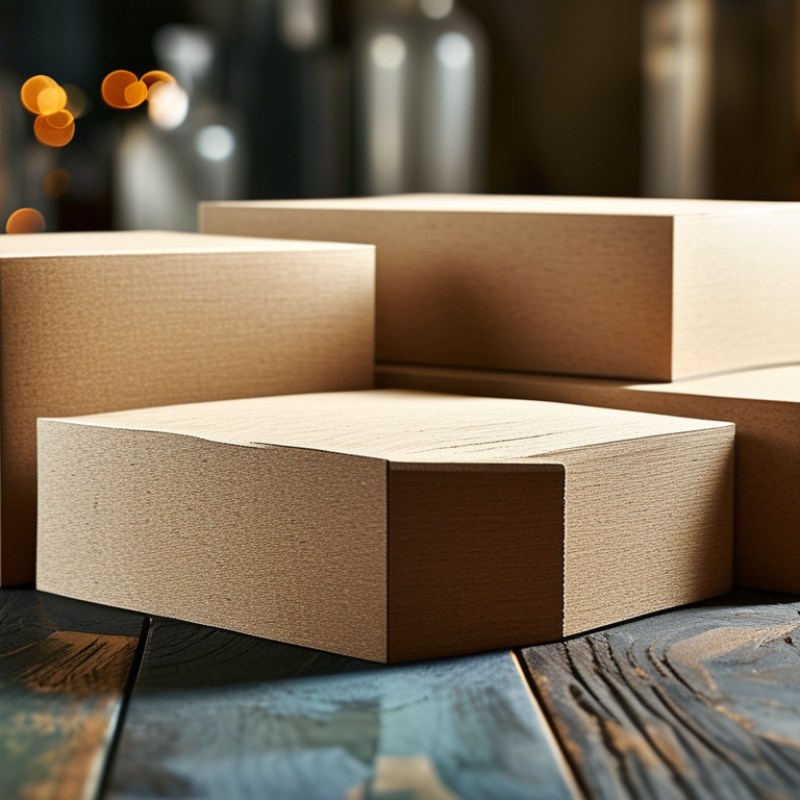
Understanding A3 Wood Pulp Paper and Its Applications
A3 Wood Pulp Paper is a versatile choice for various business applications. This type of paper is made from wood pulp and offers an excellent balance between durability and print quality. It is widely used for brochures, reports, and presentations. Understanding its properties can help you make informed decisions for your business.
When selecting A3 Wood Pulp Paper, consider the thickness. A heavier weight often means better durability, but it can also increase printing costs. Test a few weights to see what fits your needs best. After testing, you might find that a lighter paper suits your project just as well. Reflect on your requirements to avoid overspending.
Tip: Always check the brightness of the paper. A bright white surface enhances colors and text clarity. Consider printing samples to assess how the paper handles your specific ink. Another tip is to verify the environmental impact of your choice. Opt for sustainable sources when possible to align with eco-friendly values. This not only helps the planet but can also improve your brand image.
Evaluating Quality and Grading of A3 Wood Pulp Paper
When evaluating the quality of A3 wood pulp paper, several factors come into play. The fiber content is crucial. High-quality paper often has a higher fiber concentration, leading to better durability. You might notice that some papers feel thicker or denser when touched. This tactile difference can indicate quality.
Grading systems for A3 wood pulp paper can vary. Look for standard indicators like brightness and opacity. Brightness affects how colors appear when printed. A paper that reflects light effectively can enhance print quality. You may find yourself puzzled by varying grades. Sometimes, a lower grade can perform surprisingly well for specific tasks.
Consider the intended use of the paper. Not all A3 wood pulp papers are created equal. Some may work well for basic printing, while others excel in art applications. Reflect on your business needs before making a decision. For specialized printing, you might need to prioritize acid-free options or additional coatings. It’s essential to balance cost with quality—what you save now could cost more in the long run.
Identifying Your Business Needs for A3 Wood Pulp Paper
When identifying your business needs for A3 wood pulp paper, start by assessing your printing requirements. Different projects may demand varying paper grades based on thickness, brightness, and color retention. According to a recent industry report, about 65% of businesses prioritize high-quality paper for marketing materials. This statistic emphasizes the importance of selecting suitable paper types to enhance your brand presentation.
Consider the type of printing you will undertake. For instance, if you're printing vibrant images, ensure the A3 wood pulp paper has high color accuracy. Paper Photo Paper, known for its glossy finish, can significantly elevate printed photographs. Additionally, many companies overlook the environmental impact. Sustainable sourcing of wood pulp is vital, as over 40% of printed materials contribute to waste in landfills. Reflecting on these factors helps create a more responsible business that meets both aesthetic and ecological expectations.
Balancing costs with quality is another challenge. A cheaper option might compromise the durability or appearance of the finished product. Evaluate feedback from previous projects. Consider what worked and what needs improvement. By understanding the nuances of your requirements, you align your choice of A3 wood pulp paper with your business's goals. This introspection can lead to better decision-making in future printing endeavors.
Comparison of A3 Wood Pulp Paper Usage in Different Sectors
Comparing Types of A3 Wood Pulp Paper: Coated vs. Uncoated
When selecting A3 wood pulp paper for your business, understanding the difference between coated and uncoated options is crucial. Coated paper features a smooth finish, giving it a polished look. This is ideal for high-quality prints, making colors pop and details sharp. If your business relies on visuals, go for coated paper. It enhances photographs and graphics. However, this comes at a higher cost.
Uncoated paper, on the other hand, has a more natural feel with a rougher texture. It's excellent for applications like reports, stationery, and any tasks requiring writing. The absorbency of uncoated paper allows for better ink adhesion, resulting in a more familiar tactile experience. However, colors might appear less vibrant compared to coated options.
**Tip:** Consider your primary use when choosing paper. Balance between quality and budget. If you often print graphics, opt for the premium coated paper. For general correspondence, uncoated works well. Also, assess the environmental impact. Opt for sustainably sourced options. Keep in mind, the right choice can significantly affect your brand's presentation.
Assessing the Environmental Impact of A3 Wood Pulp Paper
When choosing A3 wood pulp paper, understanding its environmental impact is crucial. The production process can take a toll on forests and ecosystems. Sustainable sourcing is vital. Paper made from responsibly managed forests can help reduce adverse effects. It's important to verify certifications that indicate eco-friendly practices.
Recycling is another factor to consider. Not all A3 wood pulp papers are created equal regarding recyclability. Some may contain contaminants that hinder recycling efforts. Look for papers made from recycled content. These options often have a lower carbon footprint.
Waste management also plays a role in the overall impact. The disposal of paper products often leads to landfill accumulation. A more sustainable choice could be using A4 Paper in smaller but efficient quantities. This approach reduces waste and encourages mindful consumption. Ultimately, businesses must weigh these factors when making a choice. Each decision influences environmental health.
Calculating Cost-Effectiveness of A3 Wood Pulp Paper for Your Business
When calculating the cost-effectiveness of A3 wood pulp paper for your business, consider several key factors. Current industry reports indicate that paper costs can represent up to 30% of total operational expenses for many companies. Efficient use of A3 wood pulp paper can significantly reduce waste and lower these costs. For example, optimizing print layouts can lead to a 20% reduction in paper usage. Ensuring that your team understands the implications of paper consumption is crucial.
It’s also important to analyze the quality of the A3 wood pulp paper you select. Higher quality papers often yield better results in print clarity and durability, leading to less reprinting. A study by the Paper and Paperboard Packaging Environmental Council highlighted that a 10% increase in paper quality can decrease the likelihood of defects by up to 15%. However, premium options might come at a cost. Balancing quality with expense requires careful evaluation.
Lastly, consider sustainability certifications when choosing your A3 wood pulp paper. Businesses that invest in sustainably sourced papers can improve their brand image and attract environmentally conscious customers. Yet, it’s worth noting that certifications sometimes come with a higher price point. Scrutinizing these trade-offs is essential to determine the overall cost-effectiveness for your particular business.
Tips for Sourcing Reliable Suppliers of A3 Wood Pulp Paper
When sourcing A3 wood pulp paper, identifying reliable suppliers is crucial. According to industry reports, the global paper market is expected to reach $150 billion by 2026, driven largely by demand from businesses. With such significant numbers, choosing the right supplier can impact your production efficiency and cost.
To find trustworthy suppliers, you should start by evaluating their certifications. Look for suppliers that comply with international standards such as ISO 9001 for quality management. It's essential to assess their recycling practices, as sustainable sources mitigate environmental risks. A report from the Paper and Paperboard Packaging Environmental Council indicates that sustainable sourcing is increasingly valued by consumers.
Another important aspect is communication. Engage with your potential suppliers to discuss your specific requirements. Effective dialogue helps clarify expectations and establish long-term partnerships. However, not every interaction will be smooth. You may encounter delays or miscommunications. Reflecting on these challenges can strengthen your negotiation skills and improve future sourcing efforts. Keeping an open line of communication is pivotal for success in this dynamic market.
FAQS
Grading systems include indicators like brightness and opacity, which affect print quality.
Sometimes, lower-grade papers can meet specific needs better than expected for certain tasks.
Think about the intended use. Different papers excel in various applications like printing or writing.
Coated paper has a smooth finish, enhancing colors, while uncoated paper has a rough texture for writing.
Consider sustainable sourcing and recyclability to reduce adverse effects on forests and ecosystems.
No, some contain contaminants that hinder recycling. Look for those made from recycled content.
Mindful consumption can reduce landfill accumulation by choosing smaller quantities, like A4 paper.
Assess your needs; a cheaper option may save now but could lead to higher costs later.
Look for certifications that show responsibly managed forests or sustainable production methods.
Conclusion
When choosing A3 Wood Pulp Paper for your business needs, it is essential to understand its applications and the various qualities available. Evaluating the quality and grading of A3 Wood Pulp Paper can help ensure you select a product that meets your operational standards. Identifying your specific business requirements, whether for printing, packaging, or other uses, will guide your selection process.
Additionally, comparing the types of A3 Wood Pulp Paper, such as coated versus uncoated options, is crucial for achieving the desired finish and performance. Assessing the environmental impact of your choices promotes sustainability, while calculating cost-effectiveness ensures that your investment aligns with budgetary constraints. Finally, sourcing reliable suppliers is vital to maintaining consistent quality and availability of A3 Wood Pulp Paper for your business.