Picking the right Wood Pulp Paperis actually pretty crucial across a bunch of industries, whether you're into printing, packaging, or something else. I recently came across a report from Smithers Pira, and it said that the demand for Wood Pulp Paper products is expected to grow around 3.5% each year until 2025. That really underscores how important it is to choose high-quality paper that fits your specific needs.
James Thornton, an industry pro from Global Paper Insights, puts it simply: "The right Wood Pulp Paper can make a big difference in how well your product performs." So yeah, businesses really need to do their homework and weigh their options carefully. There are so many types of wood pulp and processing methods out there — each one can change the feel, weight, and eco-friendliness of the paper quite a bit, giving you a lot to choose from.
Honestly, figuring out what's best can be pretty tricky. It’s not just about quality; you'll also want to think about where the paper comes from and how eco-friendly it is. A lot of people assume all paper is pretty much the same — but that’s not really the case. Finding a balance between cost, durability, and sustainability means paying close attention to every detail. Every choice has its pros and cons, so taking the time to evaluate them is really worth it.

Understanding Wood Pulp Paper Types: An Overview
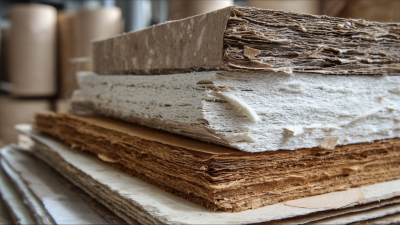
When selecting wood pulp paper, understanding the different types is essential. Wood pulp paper primarily comes in two categories: mechanical and chemical. Mechanical pulp is created through a grinding process. It retains more lignin, leading to a coarser texture and increased opacity. This type is ideal for printing newspapers or magazines. However, its durability may not match that of chemical pulps.
Chemical pulp, on the other hand, goes through a process that removes most of the lignin. This results in a smoother and stronger paper, often suited for high-quality printing. It tends to have a better lifespan, reducing the risk of yellowing over time. Consider your project's specific needs when choosing between these options.
Tips: Think about the paper's brightness. If you want vibrant colors, opt for chemical pulp. If you prefer a rustic look, consider mechanical pulp. Always check the paper's weight too. Heavier paper often feels more luxurious but may come at a higher cost. Remember the finish; glossy options enhance image clarity, while matte papers can be more versatile. Each choice impacts the final appearance and feel of your project.
Evaluating Your Paper Needs: Factors to Consider
When choosing the right paper, consider your specific needs. Different projects require different types of paper. A3 Wood Pulp Paper, for instance, is versatile and suitable for various applications. Its weight and texture can affect print quality significantly. Explore what works best for your printing tasks.
Think about the finish as well. A glossy surface may be ideal for vibrant images. Conversely, a matte finish might be better for text-heavy documents. Reflect on how the paper’s finish complements your design. Sometimes, combining various paper types for a single project could enhance the overall look.
Don’t overlook the environmental impact of your paper choice. Sourcing sustainably produced A3 Wood Pulp Paper can make a difference. Consider the balance between quality and cost. It may take trial and error to find what suits you best. Be prepared to reassess your choice as you gain experience.
Comparing Wood Pulp Paper Grades and Quality
When choosing wood pulp paper, understanding grades and quality is essential. Different grades indicate the paper's intended use. For example, high-grade paper often has a smooth finish, making it ideal for professional printing. In contrast, lower grades may have a rough texture, suitable for everyday tasks like jotting down notes.
Quality can also vary within the same grade. Some papers may feel thicker but can still tear easily. Look for papers with good tensile strength. This detail can make a big difference in your projects. Additionally, consider how the paper interacts with ink or toner. Some papers absorb ink differently, affecting print clarity.
Not all paper will meet your needs perfectly. It's worth trying out various types to find what fits best. An average choice might not always yield great results. You might be surprised by how much a slight change in quality impacts your work. Experimentation is key here, as your preferences could evolve over time.
Assessing Environmental Impact: Sustainability in Paper Choices
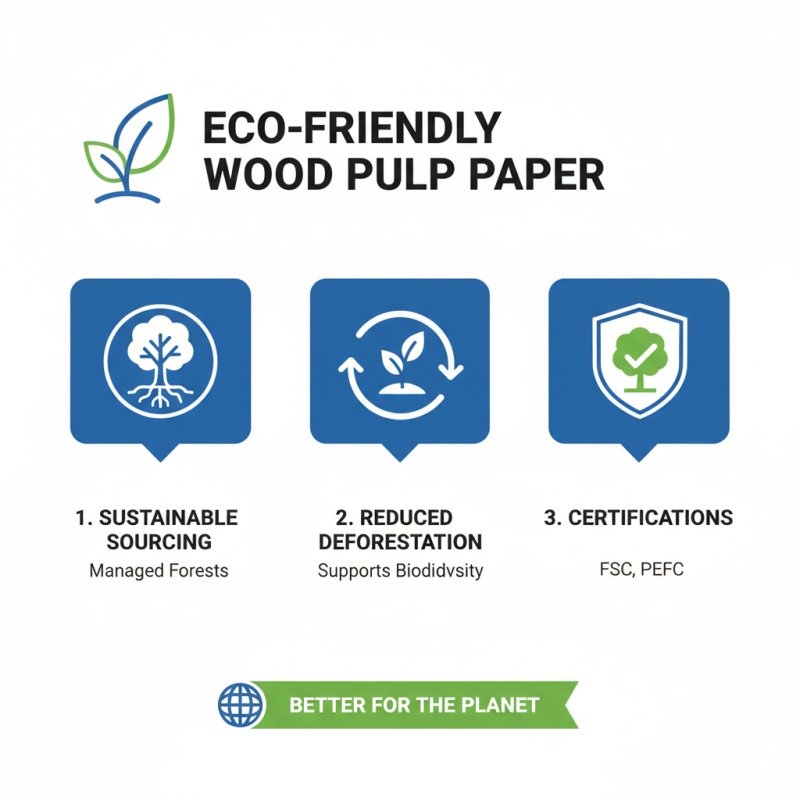
When selecting wood pulp paper, environmental impact is crucial. Consider the sourcing of pulp. Sustainable sources, like managed forests, are better for the planet. Look for certifications that guarantee responsible forestry practices. This ensures less deforestation and supports biodiversity.
Tips: Check for brands that engage in eco-friendly practices. Look for recycled content. This can significantly lower the carbon footprint. Remember, not all paper is created equal. Some may feel great but harm the environment. Balance quality with eco-friendliness.
Moreover, investigate the production process. Some methods use harmful chemicals. Opt for chlorine-free or other safe processes. It’s essential to reflect on your needs. Will high-quality Paper Bond Paper meet your requirements? Prioritize sustainability without sacrificing functionality. Making informed choices can lead to better outcomes for you and the environment.
Cost vs. Quality: Finding the Right Balance
Choosing the right wood pulp paper often means balancing cost and quality. High-quality paper can be more expensive. Yet, cheaper options may compromise performance. The challenge lies in finding that sweet spot. When selecting paper for printing or crafting, consider the intended use carefully.
For photo printing, Paper Photo Paper is essential for vibrant and clear images. Investing in higher-quality options may lead to better results. However, not everyone has the budget for premium products. Many paper types claim to offer great print quality at a low cost. But results can vary widely.
Remember, you get what you pay for. Testing different papers is crucial. Some may tear easily or absorb ink poorly. Reflect on the outcome each time. Are the colors as brilliant as expected? The quality of your final product often hinges on the paper chosen. Balancing cost and quality is an ongoing process.
Cost vs. Quality of Wood Pulp Paper
Recommended Uses for Different Wood Pulp Paper Options
When choosing wood pulp paper, consider its various uses. For everyday printing, unCoated paper is popular. It offers a natural finish and is cost-effective for bulk printing. This type works well for reports and presentations. However, it may not be suitable for high-quality photographs or vibrant graphics.
For those who need something special, coated paper is ideal. This paper type is great for brochures and magazines. The glossy finish enhances images and colors, making them pop. Yet, coated paper can be more expensive. Not every project justifies this cost, so think carefully.
Recycled paper is another option to consider. It is eco-friendly and often comes at a lower price. However, some may find it lacks the desired brightness or texture. This paper can feel rougher, which might affect presentations. Explore different types and weigh their pros and cons. Each type offers unique benefits and challenges.
Tips for Sourcing and Purchasing Quality Wood Pulp Paper
When sourcing quality wood pulp paper, several factors must be considered. The type of wood used plays a crucial role in determining the final product's strength and durability. Hardwoods lend excellent tensile strength to papers, while softwoods provide bulk and opacity. Recent studies indicate that papers made from a blend of both types often outperform others in various applications.
Tip: Look for papers that specify fiber sources. This can indicate the quality and may also hint at sustainability practices. Always ask suppliers for detailed specifications, including brightness and opacity ratings. For instance, A4 Paper typically comes with different brightness levels, impacting print quality.
Another important consideration is the paper's finish and texture. Glossy papers are ideal for vibrant color printing, while matte finishes offer a more subdued look. Various reports suggest that surface texture can influence the absorption of ink during printing. A rough texture may absorb more ink, leading to dull prints.
Tip: Request samples to assess texture and print quality before making bulk purchases. Inconsistencies can arise, so test your choice in real printing scenarios. Remember, choosing the right wood pulp paper isn't just about price; it's about finding the right fit for your specific needs.
Enhancing Your Printing Experience: Why Ultra-Clear Thermal Paper is Essential for Vibrant Image Quality
In the world of printing, the quality of the paper used can significantly impact the overall outcome. Ultra-clear thermal paper has emerged as a game-changer, especially for those who require vibrancy in image quality. According to recent industry reports, the global thermal paper market is expected to grow at a CAGR of over 5% from 2021 to 2027, reflecting an increasing demand for high-quality printing solutions across various sectors. This growth can be attributed to the rise in point-of-sale transactions, where clear and legible receipts are essential for customer satisfaction and business efficiency.
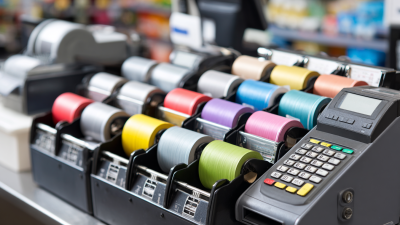
Using ultra-clear thermal paper, designed with advanced coating technology, ensures that prints are not only sharp but also vivid. This is particularly important for applications such as receipts and labels, where readability is paramount. Vivid images can enhance the overall presentation of products, making them visually appealing to consumers. Research indicates that 70% of consumers are influenced by packaging design when making purchasing decisions, emphasizing the need for quality materials that bring every detail to life.
Moreover, the benefits of ultra-clear thermal paper extend beyond aesthetics. The technology used in producing this paper facilitates quick drying and durability, ensuring that prints remain intact over time without fading. This is crucial in professional settings, such as retail and logistics, where labels must endure handling and environmental factors. In an age where the first impression counts, investing in high-quality thermal paper is essential for enhancing your printing experience and ensuring your printed materials stand out.
FAQS
: This product is commonly used for various household tasks and personal needs. Users find it helpful for everyday activities.
Yes, it's important to follow recommended guidelines. Improper use can lead to unexpected outcomes. Always read instructions carefully.
Store it in a cool, dry place. Avoid exposure to direct sunlight or heat. Proper storage extends its shelf life.
If an issue arises, check the troubleshooting section of the guide. Sometimes, simple fixes can resolve the problem quickly.
While generally safe, misuse may cause adverse effects. Always use as directed and consult a specialist if unsure.
Results vary widely between users. Some may notice changes in a short time, while others may require more patience.
Conclusion
Choosing the right Wood Pulp Paper requires a comprehensive understanding of its various types and qualities. Begin by evaluating your specific paper needs, considering factors such as weight, purpose, and printability. Different grades of Wood Pulp Paper can significantly impact both performance and aesthetics, so it’s essential to compare these aspects carefully. Additionally, the environmental impact of paper choices cannot be overlooked; opting for sustainable options can contribute positively to the environment.
Balancing cost and quality is key when selecting the ideal Wood Pulp Paper for your projects. Each type serves different purposes, from artistic prints to everyday office use, so it’s important to know which grade suits your needs best. When sourcing, look for suppliers who prioritize quality and sustainability to ensure that you make an informed decision. By combining these factors, you can confidently choose the best Wood Pulp Paper that aligns with your requirements and values.