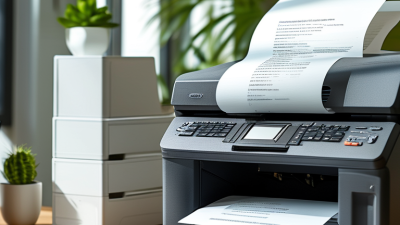
In today's super hectic business world, you really can't downplay how important Copy Paper is. I mean, Alex Thompson, who's pretty much a big name in office supplies, once said, 'Copy Paper is the heartbeat of effective communication.' And honestly, he's not wrong. Every business, big or small, depends on this stuff for all their important docs.
Think about it — whether you're printing out reports, creating marketing materials, or just jotting down notes, good quality Copy Paper makes all the difference. If you skimp on the quality, your company's image and efficiency could take a hit. Take a marketing campaign, for example — the kind of paper you choose can totally influence how people see you at first glance. Premium paper screams professionalism, while cheap, low-quality stuff might make you look... well, let’s just say less credible.
A lot of folks don’t realize just how much Copy Paper is part of daily operations. It might seem pretty boring or insignificant, but the truth is, the quality does matter — it affects how clear your prints come out and whether everything looks consistent. Companies should really think about what they need and pick products that honestly match their brand values. Going for top-notch Copy Paper isn’t just about making things look good; it also helps build trust with clients and partners. In the end, it’s all about making a good impression, right?
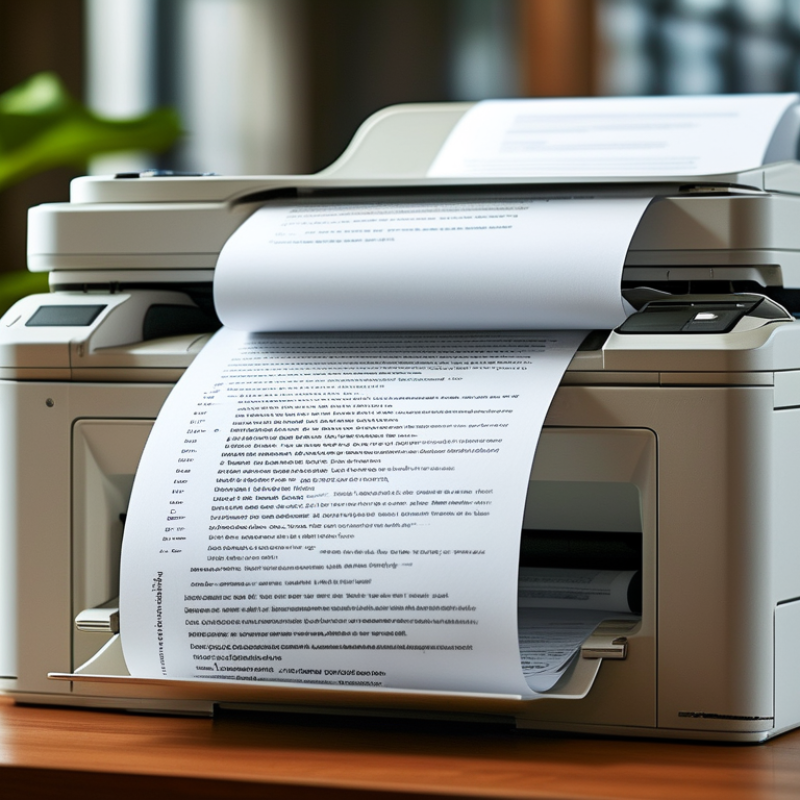
Importance of Copy Paper in Daily Business Operations
In daily business operations, the role of Copy Paper cannot be understated. This simple yet crucial material serves various functions within any office. Meetings often rely on printed agendas, handouts, and reports. Without copy paper, the efficiency of communication could drastically decline. A well-organized presentation often includes printed visuals that guide discussions and decisions.
Moreover, copy paper supports documentation practices that ensure compliance and accountability. Many businesses require physical copies of contracts, invoices, and receipts. These documents are vital for audits and financial assessments. However, the reliance on copy paper may lead to challenges. Sometimes, printers malfunction or stocks run low unexpectedly. This can cause delays and frustration among employees who need documents promptly.
While copy paper is essential, sustainability remains a concern. Overusing paper contributes to environmental issues. Businesses should consider digital alternatives to reduce waste. Balancing the need for physical copies with eco-friendly practices is crucial. This reflection can lead to innovative solutions within the office environment.
Types of Copy Paper: Choosing the Right Kind for Your Needs
Choosing the right type of copy paper can make a significant difference for your business. It’s essential to consider weight, brightness, and finish when selecting paper. For everyday printing, standard 20-pound paper works well. It’s cost-effective and compatible with most printers. However, if you have a professional presentation, a heavier weight such as 24-pound paper offers a more premium feel.
Brightness is another factor to consider. Papers with higher brightness levels (like 100 brightness) enhance color contrast and text clarity. This can be particularly beneficial for marketing materials, where first impressions count. A smooth finish is ideal for double-sided printing, preventing ink bleed and ensuring a polished look.
Don't overlook recycled options, which can reflect your commitment to sustainability. Yet, quality can sometimes vary, so it’s vital to test different brands before making bulk purchases. Remember, even minor choices like paper type impact your business image. Reflect on what represents your brand best and don’t rush the decision-making process.
Cost-Effectiveness: Why Copy Paper Saves Your Business Money
Copy paper is often overlooked in business budgeting. Yet, its cost-effectiveness cannot be denied. Using high-quality copy paper can save substantial amounts over time. Businesses that opt for cheaper alternatives might face issues like paper jams and ink smudging. This can lead to increased printing costs and wasted time.
Moreover, copy paper offers versatility. It can handle bright colors, sharp images, and detailed text. This reliability encourages businesses to create professional documents that reflect their brand’s quality. Investing in quality copy paper sets the right tone for client presentations and internal communications.
However, not all businesses recognize this value. Some may believe they are saving money by going for lower-priced options. In reality, the hidden costs can be significant. Time wasted on reprints or dealing with poor-quality papers adds up. Rethinking your choice of Copy And Paper can lead to better overall productivity and, ultimately, savings.
Environmental Impact: Sustainable Options for Copy Paper
Sustainable choices in copy paper are more critical than ever. Industries are responsible for significant environmental footprints. According to the Environmental Paper Network, the production of paper contributes to about 42% of global deforestation. This alarming statistic highlights the urgent need for eco-friendly alternatives.
Many businesses are looking to minimize their impact by choosing recycled and sustainably sourced paper products. The World Resources Institute reports that using 100% Recycled Paper can save up to 24,000 gallons of water per ton produced. This is a substantial benefit for companies aiming for green initiatives. Transitioning to sustainableHard Copy Paper options not only supports environmental health but often results in cost savings, too.
However, not all brands are transparent about their sustainability claims. It's essential for businesses to conduct thorough research before selecting paper suppliers. Certifications like FSC (Forest Stewardship Council) can guide businesses towards responsible paper sources. It’s crucial to remain vigilant and challenge the notion that all paper products are created equal. While the shift to sustainable options is promising, there’s still a long way to go in making the use of Hard Copy Paper more environmentally friendly.
Environmental Impact of Copy Paper Options
This chart illustrates the CO2 emissions associated with different types of copy paper. Recycled paper has the lowest emissions, making it a more sustainable option for businesses. In contrast, non-certified paper contributes significantly higher emissions, emphasizing the importance of choosing environmentally responsible products.
Productivity Boost: How Copy Paper Facilitates Workflow
Copy paper plays a crucial role in enhancing workflow within a business. It serves as the foundation for many daily tasks. Whether it’s producing reports, memos, or presentations, the right copy paper makes a noticeable difference. A smooth experience in printing and copying can significantly impact productivity. Quality copy paper ensures that documents appear professional and are easy to read.
**Tips:** Choose high-quality Photo Copy Paper. It prevents paper jams and produces better prints. This choice can save time and reduce frustration. Ensure your printer settings are aligned with the paper type. Incorrect settings can lead to waste.
Moreover, having an ample supply of copy paper can alleviate stress during busy times. When deadlines approach, you won't want to scramble for paper. Creating an organized paper supply system can streamline the printing process. Label storage areas clearly to find what you need quickly. Keep track of your usage to avoid running low unexpectedly.
**Tips:** Regularly inventory your paper stock. This practice helps maintain adequate supplies. Consider different types of paper for various documents. Not all tasks require the same quality. Reflecting on your supply needs may lead to better planning and resource management.
Why is Copy Paper Essential for Your Business Needs? - Productivity Boost: How Copy Paper Facilitates Workflow
| Feature | Benefit | Impact on Workflow |
| Versatility | Suitable for printing, copying, and faxing | Enhances efficiency in document handling |
| Cost-Effectiveness | Affordable for bulk purchasing | Reduces operational expenses |
| Quality Options | Variety of weights and finishes available | Improves presentation of documents |
| Reliability | Consistent performance in printers | Minimizes downtime and errors |
| Environmental Options | Recycled and sustainably sourced papers | Supports corporate sustainability goals |
Essential Uses of Copy Paper in Various Business Functions
Copy paper plays a crucial role in multiple business functions, making it an indispensable resource. It is often used for printing reports and presentations. Documenting meetings and brainstorming sessions allows teams to stay organized. Having physical copies can enhance focus during discussions. However, relying solely on digital formats can lead to overlooked details and miscommunication.
In marketing and sales, copy paper is vital for creating brochures, flyers, and promotional materials. Physical handouts can leave a lasting impression on potential clients. The tactile nature of paper adds an element of credibility that digital formats may lack. Yet, businesses sometimes underestimate the impact of quality paper. Cheap paper can result in poor print quality, affecting professionalism and perceived value.
Human resources departments depend on copy paper for onboarding documents and employee manuals. These printed materials ensure that all employees receive consistent information. However, over-reliance on paper can create clutter and inefficiencies. Finding a balance between digital and physical documents is essential for improving workflow. Adapting to a paperless strategy while still recognizing the value of copy paper is a constant challenge many businesses face.
Tips for Proper Storage and Handling of Copy Paper
Proper storage and handling of copy paper can greatly impact its usability. It’s essential to keep copy paper in a dry, cool area. Avoid exposure to humidity and direct sunlight. These conditions can warp the paper, making it unusable. Store paper in its original packaging until needed. It helps maintain its quality.
Handling is equally important. Always use clean hands when touching the paper. Dirty or oily hands can leave marks that might interfere with printing. Be cautious when removing sheets from the ream. Pull out only what is necessary to avoid bending the edges. If you notice any wrinkled or damaged sheets, discard them to prevent jamming in printers.
People often overlook storing and handling techniques. Skipping these steps can lead to wasted resources. Reflect on how often paper mishaps disrupt workflow. Establishing proper practices not only saves time but also enhances productivity. Investing in proper care really pays off.
Maximizing Print Quality: Insights from Industry Reports on Ultra-Smooth A4 Copy Paper Production and Supply Chains
The production and supply chains of ultra-smooth A4 copy paper are pivotal in ensuring that consumers receive a premium product that enhances print quality. Recent industry reports highlight the significance of sourcing paper from top suppliers renowned for their commitment to quality and efficiency. By focusing on the entire manufacturing process, from raw materials to finished products, these companies ensure that every sheet produced boasts an ultra-smooth finish, essential for achieving seamless prints.
This type of A4 copy paper caters to a wide range of users, from home offices to large corporate environments. Its superior surface quality allows for sharp text and vibrant colors, resulting in professional-grade documents that impress. The factory-controlled production methods not only guarantee uniformity and consistency in the paper's performance but also make it a reliable choice for all printing tasks. Whether for everyday printing or important presentations, this premium paper is designed to meet the high standards of today's printing demands. Its versatility and quality make it an indispensable asset for anyone looking to maximize their print quality effectively.
FAQS
: Copy paper is crucial for meetings, printed agendas, and reports. It enhances communication efficiency.
Businesses often need contracts, invoices, and receipts. These are vital for audits and accountability.
Printer malfunctions and low stock can create delays. This leads to employee frustration and inefficiencies.
Excessive paper use contributes to deforestation and waste. Balancing paper usage with sustainability is essential.
Companies should consider recycled and sustainably sourced paper. This helps minimize environmental impact.
Conduct thorough research and look for certifications. FSC can help identify responsible paper sources.
Copy paper is used for brochures and flyers. Physical materials create a lasting impression on clients.
Cheap paper can result in poor print quality. This affects professionalism and customer perception.
It’s used for onboarding documents and employee manuals. Consistent information is crucial for new hires.
Finding balance is difficult. Companies must recognize the value of copy paper while reducing clutter.
Conclusion
Copy paper is a fundamental resource for businesses, playing a crucial role in daily operations across various functions. Different types of copy paper cater to specific needs, allowing organizations to choose the right kind for their tasks, which includes printing documents, creating marketing materials, and more. Additionally, using copy paper can be cost-effective, helping businesses save money in the long run through efficient resource management.
Moreover, the environmental impact of copy paper is an important consideration, with sustainable options available to minimize ecological footprints. Proper storage and handling of copy paper also contribute to a smooth workflow and productivity boost, enabling employees to work efficiently. Ultimately, recognizing the essential uses of copy paper can significantly enhance business performance and sustainability practices.