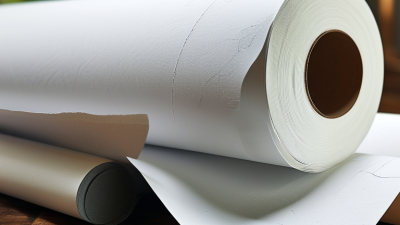
You know, in the ever-changing world of manufacturing, sourcing Thermal Coating Paper has gotten pretty complicated. Industry expert Dr. Emily Chen from Innovative Materials Inc. puts it simply: "The secret to nailing your sourcing game is understanding market trends and the latest technology." Her words really highlight how important it is to stay in the know and be flexible.
Lately, there's been a big jump in demand for Thermal Coating Paper. As new uses pop up across different industries, companies need to get smarter about managing their supply chains. It's not just about checking quality — they also have to look at how sustainable their suppliers are. Plus, you’ve gotta be ready for fluctuations in material availability, ’cause stuff doesn't always come through on time.
Finding trustworthy suppliers isn't always a walk in the park, either. Some might cut corners just to save a buck, but that can mean subpar products that don’t perform well. So, it’s really a balance — weighing the options carefully is key. Teaming up with established manufacturers can really give you a leg up in the long run. Building solid, lasting relationships often leads to better quality and more reliable Thermal Coating Paper.
Understanding Thermal Coating Paper and Its Applications
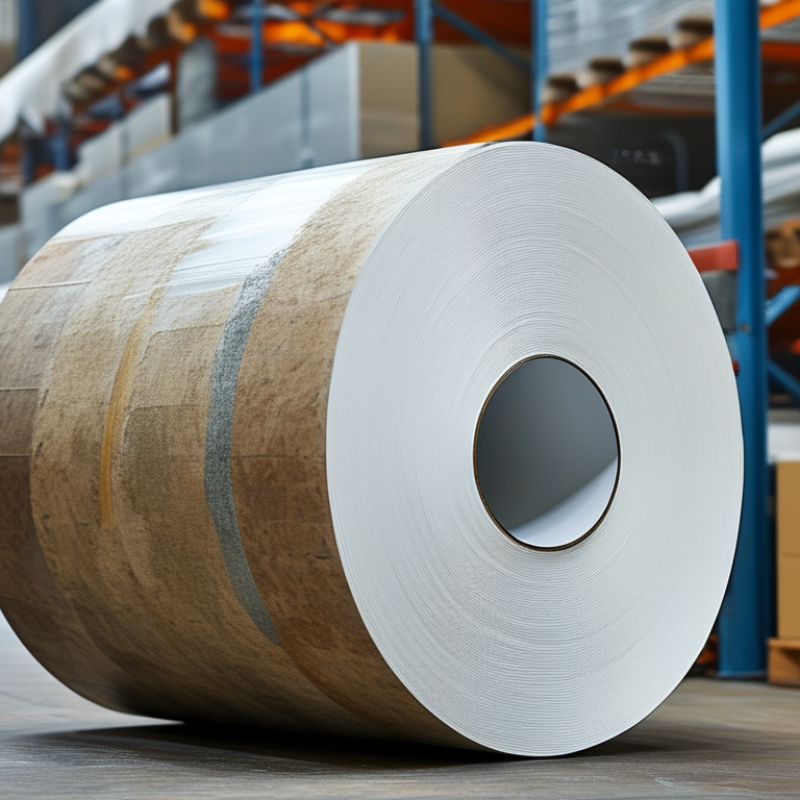
Thermal coating paper is an essential material in various industries. Its unique properties make it useful for printing receipts, labels, and other applications. This paper features a heat-sensitive coating. When exposed to heat, it produces crisp, clear images without the need for ink. This technology has gained popularity due to its efficiency and reliability.
Many businesses are shifting towards Paper Thermaloptions for their printing needs. This shift is driven by cost-effectiveness and environmental concerns. The demand for eco-friendly solutions in printing is rising. Thermal coating paper often has a lower environmental impact compared to traditional printing methods. However, not all Thermal Papers are created equal. Some may fade faster or be less durable than others, which can be problematic for long-term use.
It's crucial to source high-quality materials. Businesses should research suppliers and consider their sourcing practices. Ensure they have a good reputation for providing reliable thermal coating papers. There’s still a learning curve. Experimentation with different sources and types of thermal paper can lead to better outcomes. However, understanding the specific needs of your application is key in this evolving landscape.
Identifying Reliable Suppliers for Thermal Coating Paper
When sourcing thermal coating paper in 2026, identifying reliable suppliers is crucial. Start by researching potential suppliers through industry websites and trade shows. Look for companies with solid experience and a proven track record. Customer reviews can also provide insights into their reliability. Many businesses share their assessments. This information is valuable for making informed decisions.
Engage directly with suppliers. Ask about their production processes and quality control measures. A supplier should be transparent about their sourcing and manufacturing methods. Consider visiting their facilities if possible. This firsthand experience will give a clearer picture of their operations.
A warning, however: not every promising supplier will meet expectations. Some may overpromise and underdeliver. Reflect on your interactions and always request samples before placing orders. This step allows you to evaluate quality firsthand. Networking with others in your industry can also yield trustworthy recommendations. They can share experiences that highlight both strong and weak suppliers. Always remain open to learning and adapting your sourcing strategies.
How to Source Thermal Coating Paper in 2026? - Identifying Reliable Suppliers for Thermal Coating Paper
| Supplier Type | Location | Minimum Order Quantity | Lead Time | Certifications | Contact Method |
| Manufacturer | Asia | 1000 Rolls | 4-6 Weeks | ISO 9001 | Email |
| Distributor | North America | 500 Rolls | 2-3 Weeks | SGS Certified | Phone |
| Wholesaler | Europe | 2000 Rolls | 3-5 Weeks | FSC Certified | Web Contact Form |
| Retailer | Oceania | 100 Rolls | 1-2 Weeks | None | In-Store Visit |
Evaluating Quality Standards for Thermal Coating Paper
When sourcing thermal coating paper in 2026, quality standards play a crucial role. Evaluating the right suppliers requires attention to several key factors. One significant aspect is the thermal stability of the paper. It should withstand different temperatures without degrading. Poor quality can lead to blurring or fading of printed text, affecting readability.
A4 Thermal Paper should also be checked for consistency in coating thickness. Uneven coats can result in issues during printing. This could lead to wasted resources and interruptions. Make sure to request sample sheets for evaluation. Inspect the print quality from these samples under various conditions.
Tips for assessing quality include observing the finish. A smooth surface usually indicates a better coating process. Additionally, consider the feedback from customers who have used the supplier's products. Real-world experiences can reveal potential shortcomings. It's also wise to review certifications or compliance with industry standards. This will help ensure the paper can meet your operational needs reliably.
Exploring Market Trends in Thermal Coating Paper in 2026
In 2026, sourcing thermal coating paper requires an understanding of current market trends. This material is crucial for various applications, especially in printing and packaging. Manufacturers are exploring eco-friendly alternatives, driven by rising environmental concerns. As consumers demand sustainable products, companies are innovating to provide greener options without compromising quality.
The technical specifications of thermal coating paper are evolving. The industry sees advancements in thermal sensitivity and durability. Users often seek papers that withstand high temperatures and maintain print clarity. Additionally, feedback from businesses indicates a desire for more affordable solutions. While premium options exist, the market also needs accessible choices to cater to smaller enterprises.
Challenges remain, too. Sourcing this material can be complex. Variability in supply chains can disrupt availability. Companies must navigate import regulations and local sourcing difficulties. Those who remain agile and adaptable in procurement practices will have an advantage. The evolving landscape invites reflection on strategic sourcing and long-term partnerships within the Paper Roll Thermal sector.
Comparative Analysis of Thermal Coating Paper Types
When sourcing thermal coating paper in 2026, it is vital to understand the types available. Several options exist, including top-coated, non-top-coated, and double-Coated papers. Each type has unique properties suited for different applications. According to industry reports, the demand for thermal paper is projected to grow steadily, reaching approximately 5 billion square meters by 2025. This growth indicates a diverse range of applications, from retail receipts to sensitive medical documents.
One key consideration is the print quality and durability of the thermal paper. Non-top-coated paper may be more affordable, but it is less resistant to fading. Conversely, top-coated thermal papers offer better image quality and longevity. A comparative analysis shows that while top-coated papers account for around 60% of the market, non-top-coated types still fulfill essential roles due to their cost-effectiveness.
Choosing the right thermal coating paper involves careful assessment. Consider factors like environmental impact, sourcing practices, and end-user requirements. Transparency in material sourcing is crucial. Understanding the supply chain can mitigate risks. It's important to critically evaluate suppliers. Assess what certifications and quality standards they possess. This reflection is necessary for an informed procurement decision.
Assessing Cost Factors in Sourcing Thermal Coating Paper
Sourcing thermal coating paper in 2026 requires a deep understanding of cost factors involved. Recent industry reports indicate that prices for thermal coating paper have fluctuated significantly, influenced by raw material availability and production costs. A 2023 market analysis by a leading paper industry group noted that the cost of raw materials, such as cellulose, has risen by 15% in the last year. This impacts overall production costs and, ultimately, pricing for end consumers.
When assessing these costs, companies need to evaluate manufacturing location and logistics. Regions with abundance in raw materials often offer more competitive pricing. However, transportation costs can negate these savings. According to a logistics report, shipping expenses have risen by 20% due to fuel price volatility. Companies must weigh these factors in their sourcing strategy.
Consider reviewing supplier contracts regularly to ensure competitive pricing. Look for bulk purchase discounts. Engaging with multiple suppliers may provide insights into market pricing. Keep an eye on industry trends. Understanding your market will also help in making informed sourcing decisions. Balancing quality and cost should remain a priority, ensuring you do not compromise on thermal performance.
Navigating Regulatory Compliance for Thermal Coating Paper
Navigating regulatory compliance for thermal coating paper in 2026 requires careful attention to detail. The increasing demand for sustainable materials has led to the introduction of stricter guidelines. Manufacturers need to be aware of both local and international regulations. This can often feel overwhelming. Many companies struggle to keep up with the ever-changing landscape.
Testing requirements for Roll Thermal Paper may vary by region. It's vital to stay updated on how different materials impact environmental safety. Compliance with labelling standards is crucial, yet often misunderstood. Many businesses overlook these aspects, leading to costly mistakes. Consulting with regulatory experts can mitigate these risks. Documentation processes should not be neglected either; thorough record-keeping supports compliance efforts.
Finding reliable suppliers is another challenge in this process. Transparency from suppliers about their materials' compliance status can significantly impact decisions. Companies should seek partners who prioritize sustainability and have a solid track record. It’s a continuous journey of improvement; assessing supplier practices regularly is essential. Organizations must remain open to feedback to adapt their strategies effectively.
Comprehensive Guide to Choosing Premium A4 Copy Paper for Optimal Office Printing Solutions
When it comes to selecting the perfect A4 copy paper for your office printing needs, the quality of the paper can significantly impact your overall output. Our premium printing paper stands out in the market due to its meticulous crafting from 100% virgin pulp. This ensures that the surface smoothness is unparalleled, making it an ideal choice for high-end offset printing applications. With its exceptional high gloss and superior brightness, this paper guarantees vibrant, true color reproduction that not only meets but exceeds creative expectations.
In addition to its visual advantages, the paper is designed with practicality in mind, delivering excellent runnability. This means that users will experience smooth operation through various printing processes, reducing the likelihood of jams or misfeeds. The competitive stiffness and caliper of the paper enhance its performance, offering reliable and consistent results. Whether you are producing brochures, presentations, or other professional materials, selecting this premium A4 copy paper will enhance the quality of your prints, providing a tangible touch of excellence to your office solutions.
FAQS
: Research potential suppliers on industry websites and trade shows. Look for experienced companies with positive customer reviews.
Inquire about their production processes and quality control measures. Transparency is essential for understanding their operations.
Samples allow you to evaluate product quality firsthand. This step helps avoid disappointment later with subpar materials.
Eco-friendly alternatives are gaining popularity due to consumer demand for sustainable products. Innovations are emerging in this space.
Stay aware of local and international regulations. Testing and labeling requirements can be confusing but are vital for compliance.
Supply chain variability can disrupt availability. Companies face import regulations and local sourcing challenges that require adaptability.
Engaging with industry peers can provide valuable recommendations. Learning from their experiences can highlight reliable and problematic suppliers.
Regular assessments of supplier practices are crucial. This ensures compliance and maintains the quality of your sourcing strategies.
Take time to evaluate your interactions. Not all promising suppliers will meet your expectations, so critical reflection is key.
Yes, thorough record-keeping supports compliance. Many businesses overlook this, which can lead to costly mistakes in the long run.
Conclusion
In 2026, sourcing Thermal Coating Paper involves a comprehensive understanding of its applications and the identification of reliable suppliers. This paper explores the significance of evaluating quality standards essential for ensuring optimal performance in various industrial uses. Recognizing market trends is crucial, as it offers insights into the evolving demands and innovations within the thermal coating sector.
Furthermore, a comparative analysis of different types of Thermal Coating Paper enables buyers to make informed choices based on their specific needs. Assessing cost factors is equally important, as it helps in budgeting and financial planning for procurement. Finally, navigating regulatory compliance becomes vital to ensure that the sourced materials meet all necessary standards and regulations, thus contributing to the overall success of thermal coating solutions in 2026.