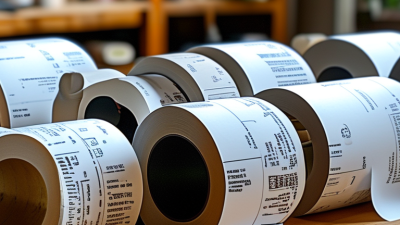
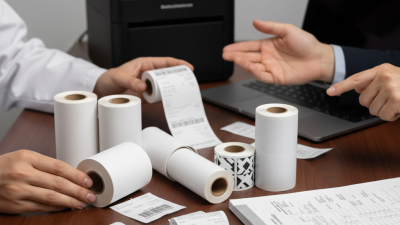
When it comes to printing tech, those Thermal Printer Rolls really do make a big difference. They're super important for a lot of businesses relying on thermal printers to keep things running smoothly, whether it’s printing receipts or barcodes. I remember talking to John Smith over at Print Solutions Inc., and he told me, “Choosing the right thermal printer roll can seriously boost your print quality.” That just goes to show, it’s all about picking high-quality rolls.
So, here’s the gist: thermal printers use heat to print images on paper, and the whole process depends a lot on the kind of rolls you use. For folks in retail, food service, or logistics, using the right rolls means clearer barcodes and receipts, which are crucial for everything to run without a hitch. But not all rolls are created equal—some might smudge easily or fade away quick, and honestly, that’s just a headache waiting to happen.
That’s why investing in good, reliable "Thermal Printer Rolls" really pays off. Cheap, low-quality rolls often lead to wasting time, resources, and can even annoy your customers. It’s worth taking the time to check out reviews and materials before making a pick—trust me, it’s a game-changer for keeping your business efficient and your customers happy.
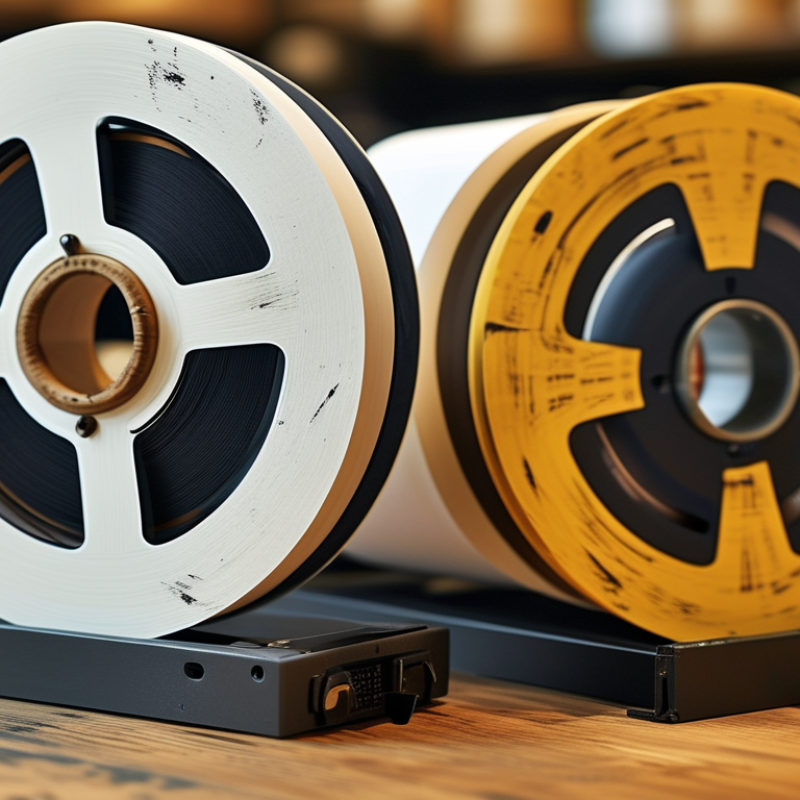
What are Thermal Printer Rolls?
Thermal printer rolls are an essential component for any business that relies on thermal printing technology. These rolls are made from a special heat-sensitive paper, designed to produce high-quality images without the need for ink. When heated by the printer's print head, the coating on the paper changes color, creating sharp, clear prints. This technology minimizes maintenance and maximizes efficiency, making it a popular choice for receipts and labels.
Using Thermal Receipt Printer Paper Rollscomes with several advantages. For one, they are remarkably easy to use and replace. Many businesses appreciate how quickly and efficiently thermal printers can produce receipts, as there are no messy inks involved. However, not all Thermal Rolls are created equal. Different printers may require specific sizes or types of thermal paper. Customers often face confusion when choosing the right product. It's crucial to consult the printer manual to ensure compatibility.
Another consideration is the longevity of the printed material. While thermal printing offers instant results, the quality can degrade over time. Factors like light exposure and heat can lead to fading. It's worth noting that although thermal rolls are convenient, they can sometimes yield less durable prints than traditional ink methods. This reality prompts users to reflect on their printing needs and choose the right solution based on their specific circumstances.
How Do Thermal Printer Rolls Work?
Thermal printer rolls are crucial components for thermal printers, widely used in various settings. Understanding how they work can help you appreciate their importance. These rolls contain thermal paper, which changes color when exposed to heat. A thermal print head generates heat at specific points, creating text and images on the paper. This process is fast, quiet, and produces sharp outputs.
In addition to their efficiency, thermal printers offer a clean printing method. There is no need for ink or toner. However, it’s important to use the correct rolls for your printer model. Not all rolls are the same. Using incompatible rolls can lead to poor print quality or damage to the printer. Users should regularly check the type and size needed for their devices. It's a simple step, but often overlooked.
While thermal printers and rolls are reliable, they do have limitations. For instance, thermal prints can fade over time, especially when exposed to heat or sunlight. Users should consider storage conditions to prolong the print's lifespan. Reflecting on these factors can enhance the overall printing experience. Although convenient, thermal printing isn't always the perfect solution for every need. It's essential to evaluate if it aligns with your printing requirements.
Types of Thermal Printer Rolls Available
When considering thermal printer rolls, it is essential to recognize the various types available. The first type is direct thermal rolls. These rolls utilize heat to create images directly on the paper. They are ideal for printing receipts and labels, as they don't require any ink or toner. However, the printed images may fade over time, especially when exposed to heat or sunlight.
Another type is thermal transfer rolls. These rolls use a ribbon to transfer ink onto the paper when heated. This method produces sharp, durable images. They are best suited for long-lasting labels and barcodes. Users often prefer these for items that face wear and tear. However, they come with a higher cost and maintenance requirements.
Choosing the right roll involves understanding your specific needs. Consider the environment where the printed materials will be used. For instance, if you print receipts often, opt for Receipt Printer Paper Rolls that can withstand various conditions. Selecting the wrong type may lead to faded receipts or blurred barcodes, which can hinder transactions. Always test a small batch before committing to a larger order.
Applications of Thermal Printer Rolls in Various Industries
Thermal printer rolls are essential across various industries. Retailers rely on them for receipts, while logistics companies use them for shipping labels. According to industry reports, the global market for thermal printing is projected to reach $41.9 billion by 2027. This growth is driven by the rising demand for fast and efficient printing solutions.
In healthcare, thermal printer rolls play a significant role in patient tracking and medication labeling. Hospitals use these rolls for barcode labels, ensuring accurate dispensing of medications. A report indicates that the healthcare sector accounts for approximately 25% of thermal printing applications. This highlights the importance of reliable Thermal Rolls in maintaining patient safety and operational efficiency.
Tips: Choose thermal rolls that fit your printer model. Always check compatibility for optimal performance. Additionally, store thermal printer rolls in a cool, dry place. Improper storage can lead to reduced print quality over time. Investing in high-quality thermal rolls can improve overall print speed and clarity, which is crucial for businesses that rely on timely solutions.
Benefits of Using Thermal Printer Rolls
Thermal printer rolls are essential for various printing tasks. They provide a reliable and efficient way to produce crisp, high-quality prints. These rolls are coated with heat-sensitive material, allowing them to produce images and text without the need for ink. This unique technology saves both time and resources. Many businesses prefer thermal printers for their speed and simplicity.
Using thermal printer rolls offers several benefits. They are often more cost-effective than traditional printing methods. The absence of ink reduces ongoing costs and maintenance needs. Additionally, thermal prints tend to be more durable, resisting fading and smudging over time. However, it’s important to note that thermal prints may not be suitable for all applications. For instance, exposure to heat or certain chemicals can cause fading.
Another advantage of thermal rolls is their portability. They are lightweight and easy to transport, making them ideal for mobile printing needs. However, not all thermal rolls are compatible with every printer. This can lead to frustration and wasted resources. Always double-check specifications to ensure proper fit and functionality. Embracing thermal technology can streamline your printing tasks but requires careful consideration and planning.
Selecting the Right Thermal Printer Roll for Your Needs
Selecting the right thermal printer roll is crucial for ensuring efficiency in your printing tasks. Many factors affect this decision. First, you should consider the size of the roll. Common sizes include 40mm, 80mm, and 58mm widths. The dimensions can impact your printer's performance and affect the quality of the output.
Another key point is the type of thermal paper. There are two main types: direct thermal and thermal transfer. Direct thermal rolls are suitable for short-term labels, while thermal transfer rolls offer greater durability for long-lasting prints. You need to reflect on your printing needs to make the best choice.
Additionally, thickness plays a significant role. A thinner paper may save costs but could lead to issues like jamming. Meanwhile, thicker rolls can improve print quality and lifespan, even if they cost more upfront. It’s essential to balance cost with quality. This decision will ultimately impact your workflow and satisfaction. Understanding these details can elevate your printing experience and ensure you select the right Till Rolls Thermal.
Thermal Printer Roll Types and Their Popularity
Maintaining and Storing Thermal Printer Rolls Properly
Maintaining and storing thermal printer rolls properly is crucial for their longevity and performance. These rolls are sensitive to heat and humidity, making proper storage essential. Keep them in a cool, dry place away from direct sunlight. Excessive heat can cause the thermal coating to degrade, leading to poor print quality.
Be mindful of how you handle the rolls. Avoid touching the thermal side with your fingers, as oils can affect printing quality. When storing, stacking them flat helps prevent curling or bending. Always check the expiration date; used rolls past their prime may print inconsistently.
Here are some simple practices to enhance your roll usage. Regularly check your inventory to ensure you have enough supply. It’s a good idea to rotate stock, using older rolls first. Lastly, keeping your printer clean and well-maintained can significantly improve the performance and quality of the prints. Make a habit of checking both your printer and rolls often.
What is Thermal Printer Rolls and Why You Need Them?
| Feature | Description | Importance | Storage Tips |
| Roll Sizes | Available in various widths, typically from 2" to 4.5". | Choosing the correct size ensures compatibility with printers. | Store rolls upright in a cool, dry place. |
| Paper Type | Thermal paper coated with a heat-sensitive layer. | Produces clear, smudge-proof prints. | Keep away from direct sunlight to prevent fading. |
| Durability | Generally lasts longer when stored correctly. | Essential for maintaining quality in long-term records. | Avoid humidity and extreme temperatures. |
| Compatibility | Not all rolls are compatible with all printers. | Ensures smooth operation without jams or errors. | Check printer specifications before purchasing. |
| Cost | Generally affordable and cost-effective for high-volume printing. | Reduces overall printing costs. | Buy in bulk for additional savings. |
Unlocking High-Quality Printing: Insights from Industry Reports on Ultra-Clear Thermal Paper Products
When it comes to achieving high-quality printing, the type of thermal paper used plays a crucial role. Ultra-clear thermal paper stands out due to its exceptional qualities, ensuring that each print is sharp and vibrant. Created using advanced coating technology, this paper enhances the clarity of prints, making it ideal for a wide range of applications, from receipts to labels. The meticulous production process in specialized facilities guarantees that users receive a product that not only meets but exceeds industry standards.
With the growing demand for professional-grade prints, selecting the right supplier becomes essential. Partnering with reliable manufacturers ensures access to ultra-clear thermal paper that brings every detail to life. This paper is designed to deliver legible results consistently, which is vital in various sectors where clarity is paramount. As businesses look to elevate their printing capabilities, investing in high-quality thermal paper will make a significant difference in the final outcome, ultimately reflecting the brand's commitment to excellence.
FAQS
: Direct thermal rolls use heat to create images directly on paper. They are ink-free and good for receipts.
Thermal transfer rolls use a ribbon to transfer ink when heated. This method creates sharp, durable images.
Use direct thermal rolls for short-term printing, like receipts. They may fade if exposed to heat or sunlight.
They cost more due to higher durability and quality. They require ribbons and can have more maintenance.
Common roll sizes include 40mm, 58mm, and 80mm. The size affects printer performance and print quality.
Yes, thicker paper improves print quality but costs more. Thinner rolls may cause jamming and other issues.
Reflect on your needs. Consider the environment, roll size, and type of thermal paper for the best results.
Choosing the wrong type may lead to faded receipts or blurry prints. This can slow down transactions and frustrate users.
Yes, it's wise to test a small batch first. This ensures quality and compatibility before making a larger commitment.
While cheaper rolls save money, they may impact quality. Balance cost with quality for a better printing experience.
Conclusion
Thermal Printer Rolls are specialized rolls of paper used in thermal printing technology, which involves the use of heat to create images and text. These rolls are essential for various applications across multiple industries, including retail, hospitality, and healthcare. By understanding how thermal printer rolls work, users can appreciate their importance in producing high-quality prints quickly and efficiently.
There are different types of thermal printer rolls available, catering to specific needs and applications. Selecting the right roll enhances performance and print quality, while maintaining and storing them properly can extend their lifespan. The benefits of using thermal printer rolls include convenience, cost-effectiveness, and minimal waste, making them a preferred choice for businesses looking to streamline their printing processes.