When you're picking out the right receipt paper, it really helps to listen to what industry pros have to say. I mean, John Stevens from PaperTech Industries once said, "The right Receipt Paper can totally change the customer experience," which shows just how important this little detail actually is in running a successful business.
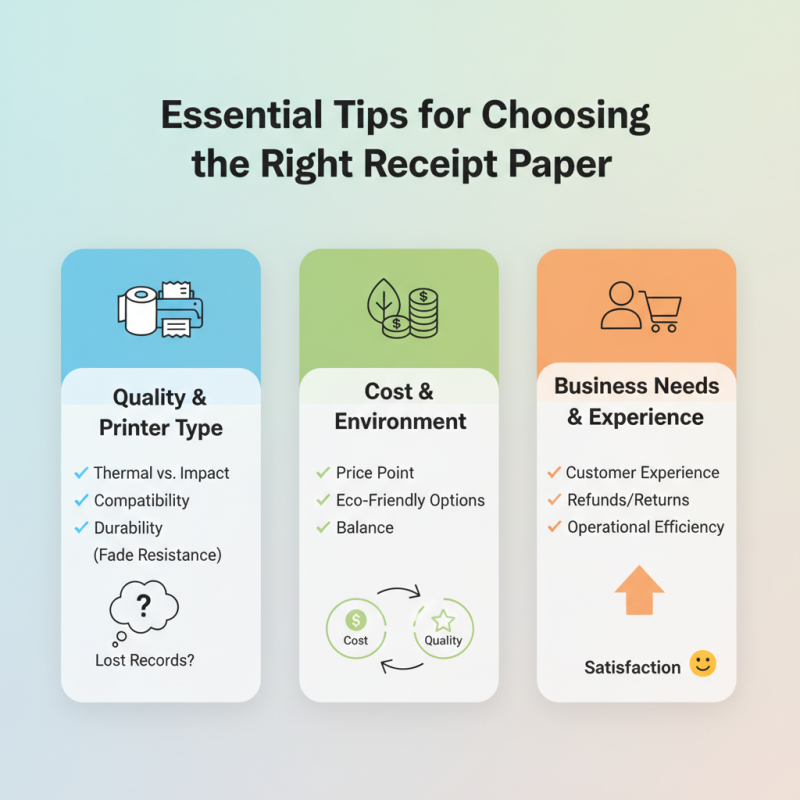
Choosing your receipt paper isn’t just about going for the cheapest option either. Quality really counts. And don’t forget to think about the kind of printer you’re using—some papers just don’t play well with certain printers. Thermal paper can be a good pick, but not everyone actually needs it. You also want to think about durability—some cheaper papers fade quickly, and that could cause headaches if records get lost, especially when it comes to refunds or returns.
Plus, don't ignore the environmental side of things. Certain businesses are all about eco-friendly options, which is awesome but might come with a higher price tag. Finding the right balance between cost and quality can be a bit of a challenge, but it’s worth it. Ultimately, you gotta consider what your business really needs. Mix and match those factors—and before you know it, you’ll find the receipt paper that works perfectly for both your business operations and making your customers happy.
Understanding the Different Types of Receipt Paper Available
Choosing the right receipt paper can be tricky. There are various types to consider, each with unique properties. Some paper rolls are thermal, while others are Bond Paper. Thermal paper is popular for its quick printing capabilities. It generates images through heat, so no ink is needed. This can lead to savings in ink costs, but the durability of such prints can be questionable. Over time, thermal prints may fade or discolor, which might not be ideal for record-keeping.
On the other hand, bond paper usually provides more longevity. It is thicker and can withstand wear better than thermal options. Stores often prefer this type for long-term receipts. Yet it is vital to ensure proper storage. Moisture or sunlight can damage bond paper easily. The challenges of finding the right balance between quality and cost can cause some headaches.
When selecting a Paper Roll Receipt, consider your specific needs. Will customers keep their receipts for long? Do they require clear visibility of information? Each option has pros and cons. Reflection is necessary to ensure you make the best choice for your business.
Factors to Consider for Choosing the Right Receipt Paper Material
Choosing the right receipt paper material is crucial for businesses. The quality of receipt paper affects not only print quality but also customer experience. Certain factors should be taken into account when making this decision.
For instance, consider the type of printing technology used. Thermal printers require specific thermal Receipt Paper Rolls to function effectively. Reports indicate that 70% of retailers prefer thermal printing due to its speed and cost-effectiveness. This choice impacts operational efficiency significantly.
Another factor is durability. Some receipt papers fade quickly, especially those exposed to heat and light. A study revealed that 45% of consumers are frustrated when they cannot read a receipt. To avoid this, investing in high-quality thermal paper can enhance the longevity of receipts.
Tip 1: Always check the paper thickness. Thicker paper typically provides better quality and reduces jamming.
Tip 2: Consider eco-friendly options. 30% of consumers favor businesses that use sustainable materials.
Tip 3: Ensure compatibility with your printer. Using the wrong type could lead to costly mistakes.
Evaluating the Printing Method for Your Receipt Printer
When selecting receipt paper, understanding the printing method is crucial. Thermal printing is common in retail settings. This method uses heat to produce images on thermal paper. It’s fast and effective, but many overlook the long-term costs. Thermal paper can fade over time. Studies show it can lose legibility in less than a year under certain conditions.
Impact on quality is significant. Inkjet printers, for example, use liquid ink. They provide sharper images, but they require different paper types. Not all papers are compatible. Using the wrong type can lead to smudges and paper jams. According to industry reports, nearly 30% of printing issues stem from incompatible materials.
Choosing receipt paper involves more than just price. Consider durabilityand the environment. Some Thermal Papers contain harmful chemicals. Opting foreco-friendly options is becoming a priority. Reports reveal that businesses using green products often gain customer loyalty. This shift highlights the need for smarter choices in the long run.
Assessing the Durability and Longevity of Receipt Paper
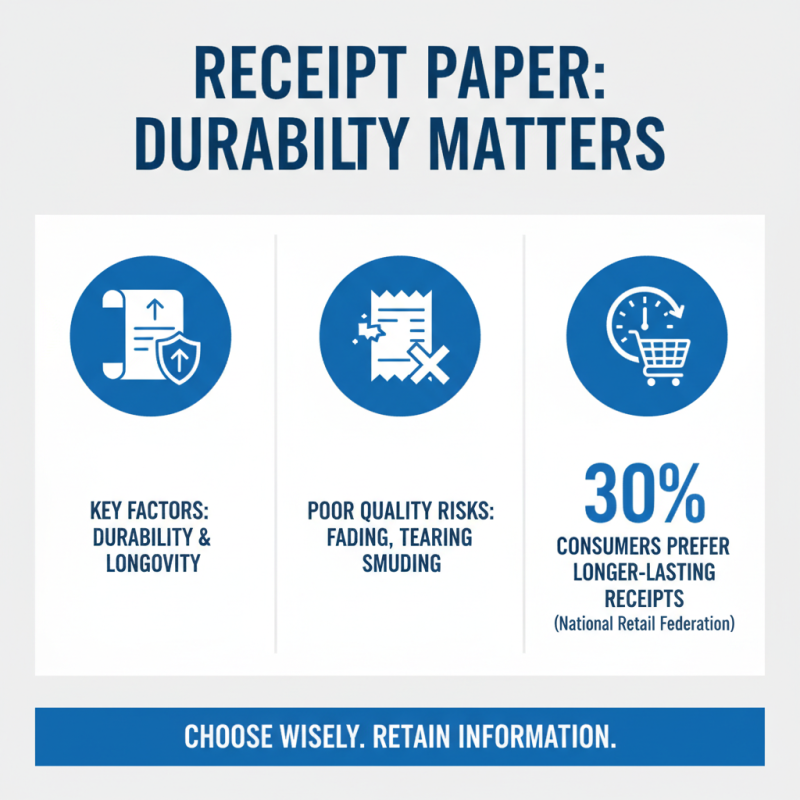
When selecting receipt paper, durability and longevity are vital factors. Poor quality papers can lead to fading, tearing, or smudging. According to a report by the National Retail Federation, nearly 30% of consumers prefer receipts that last longer. This preference highlights the importance of choosing the right material.
Opt for thermal paper when possible. It generally offers better longevity than standard receipt paper. However, not all thermal papers are created equal. Some contain additives that can degrade over time. Aim for paper that has a coating designed to resist environmental factors, like light and heat. This prolongs the readability of printed details.
Remember to consider your printing environment. High humidity or extreme temperatures can impact paper performance. Ensure that your storage conditions are optimal. Keep Paper Receipt Rolls in a cool, dry place. With proper care, you may avoid unnecessary waste and expenses associated with poor receipt quality. A supplier's information on longevity can be helpful too.
The Importance of Paper Size and Compatibility with Printers
Choosing the right receipt paper can be tricky. The size and compatibility with printers are crucial factors. Using the wrong size may lead to paper jams or wasted rolls. It is important to match the paper size with the printer specifications. Review your printer manual to identify the correct dimensions. A mismatch can cause frustration and delays.
Here are some tips for selecting receipt paper. Always check if your printer supports thermal or impact paper. Each type has different thickness and qualities. Look for paper that provides clarity to text and images. Poor quality prints can damage your reputation. Make sure to choose the right width for your receipts, typically 2 to 3 inches.
Don’t forget to consider the length of the roll. Short rolls may require frequent changes. A larger roll can last longer but might be cumbersome. Always test a small batch first. It is better than ending up with a roll that doesn’t fit. Consider experimenting with different types of paper. Some might yield better results than others. Reflect on your experiences to make improved choices in the future.
Environmental Considerations When Selecting Receipt Paper
When selecting receipt paper, environmental factors play a crucial role. Traditional thermal paper contains BPA or BPS, harmful substances linked to health risks. A study by the National Toxicology Program found that 93% of receipts tested contained these chemicals. Choosing BPA-free options reduces exposure by over 80%. Many consumers remain unaware of this issue, highlighting a need for education.
Recycling receipt paper poses another challenge. Most thermal papers cannot be recycled due to their coatings. According to the Environmental Protection Agency, approximately 3 million tons of paper products end up in landfills each year. Only eco-friendly alternatives can mitigate waste. Look for papers certified by recognized environmental standards. These products often utilize recycled fibers, reducing the carbon footprint.
Yet, market awareness about green options remains low. Many businesses still opt for cheaper, conventional options. This reflects a gap in sustainable practices within the retail sector. Promoting eco-friendly materials can drive change. Increased demand can lower costs and enhance accessibility. More awareness could lead to better choices for our planet. The shift towards sustainable receipt paper is essential, but it requires collective effort and education.
Cost-Effectiveness: Balancing Quality and Budget for Receipt Paper
When selecting receipt paper, cost-effectiveness is vital for any business. It's easy to get lured by cheaper options, but quality matters too. Thermal Receipt Paper often offers a balance between price and performance. However, not all thermal papers are created equal. Some low-cost options may fade quickly, causing issues for both customers and businesses.
Investing in a reliable supplier is crucial. A poor-quality paper may lead to frustrations during busy hours. Imagine running out of receipt paper on a peak day. It disrupts efficiency and reflects poorly on your business. Pay attention to the characteristics of thermal receipt paper. Look for good quality, durability, and longevity. Sometimes, spending a bit more results in fewer hassles down the line.
Weighing costs against quality is challenging. There might be moments when lower-priced papers seem appealing. Yet, consider the long-term implications, like customer satisfaction and functionality. It's essential to experiment and find the right fit without sacrificing quality. Balancing your budget with the right choice in receipt paper can significantly impact your daily operations.
Cost-Effectiveness of Different Receipt Papers
Enhancing Office Efficiency: Insights from the Latest Industry Reports on Premium A4 Copy Paper Performance and Usage Trends
In today’s fast-paced office environment, efficiency is paramount, and the choice of copy paper can significantly impact productivity. Recent industry reports highlight the performance and usage trends of premium A4 copy paper, showcasing its role in enhancing office operations. High-quality copy paper, characterized by superior surface smoothness, is ideal for high-end offset printing, ensuring that every document reflects professionalism and clarity.
One of the standout features of premium A4 copy paper is its composition of 100% virgin pulp, which contributes to its high printing gloss and exceptional brightness. This smooth printing surface facilitates sharp, crisp images and text, making it an ideal choice for presentations and important documents. Furthermore, the competitive stiffness and caliper of this premium paper provide superior runnability in printers, minimizing the risk of paper jams and enhancing overall workflow.
Additionally, the true color reproduction offered by high-quality copy paper allows offices to produce vivid, eye-catching materials. As companies strive to present their best selves both internally and externally, investing in premium A4 copy paper proves to be a strategic decision that can lead to marked improvements in efficiency and output quality. The insights derived from industry reports clearly demonstrate that the right choice in copy paper not only meets printing demands but also supports a thriving, efficient workspace.
FAQS
: The product usually contains essential oils, natural extracts, and various plant-based ingredients.
Store it in a cool, dry place away from direct sunlight. Improper storage can reduce its effectiveness.
While many users find it effective, some may experience irritation. It’s wise to patch test first.
Daily use is common, but overuse may lead to unwanted effects. Listen to your skin.
Many claim it addresses dryness and uneven tone, but results can vary. Personal experience matters.
Discontinue use immediately. It’s always best to consult with a dermatologist for persistent issues.
Conclusion
Choosing the right receipt paper is crucial for businesses that rely on accurate and efficient transaction records. Understanding the different types of receipt paper available, including thermal, bond, and carbonless options, is the first step in making an informed decision. Factors such as the printing method of your receipt printer and the durability of the paper should also be evaluated to ensure longevity and readability of the printed receipts.
Additionally, compatibility with printer sizes and environmental considerations are essential in the selection process. While quality is important, cost-effectiveness should also be taken into account to find a balance that fits within budgetary constraints. By considering these factors, businesses can select the most suitable receipt paper that meets their operational needs while remaining environmentally responsible.