Leave Your Message
0%

Picking a dependable Copy Paper supplier isn't just about comparing prices off the bat. For buyers around the world, it’s really important to dig into things like how consistent the product is, their experience with international exports, how much they can produce, and how good their communication is. This guide spotlights ten well-known companies in the international paper scene—think of names like International Paper, UPM, Stora Enso, Mondi, Sylvamo, The Navigator Company, Asia Pulp & Paper, Double A, Oji Holdings, and Suzano. Keep in mind, their product options, regional strengths, and what kind of buyers they’re best suited for can vary quite a bit.

When you’re actually assessing these suppliers, it’s a good idea to look into details like paper weight, brightness, opacity, resistance to moisture, and how smooth the surface feels. These things can really impact your printer’s performance, how well toner sticks, and overall satisfaction. Don’t forget to check the packaging stuff too—like carton quantities, pallet sizes, whether they offer private labeling, loading methods, and estimated lead times. Certifications such as FSC or PEFC help show you’re buying responsibly, but it’s wise to verify those documents directly with each supplier. And if possible, getting your hands on a sample test can save a lot of trouble down the line.

Now, no single ranking or list is perfect. The market’s always changing—availability shifts, freight costs fluctuate, and even a supplier with huge production capacity might not always have the best shipping routes to your destination. Some companies provide detailed specs upfront, while others prefer to work things out through direct negotiation—big difference there, especially for procurement teams. In our comparison, we look at what companies say about themselves, their product info, how big their market presence is, and what makes sense practically when buying. But at the end of the day, you should always double-check current prices, certifications, minimum order sizes, and trade terms before sealing any deal. Overlooking small details can end up costing a lot more than you think. Think of this overview as a helpful starting point—it’s not meant to replace thorough supplier research. Plus, keep in mind that things might need revisiting, especially if mills expand, regional demand shifts, or if stricter environmental reporting comes into play.
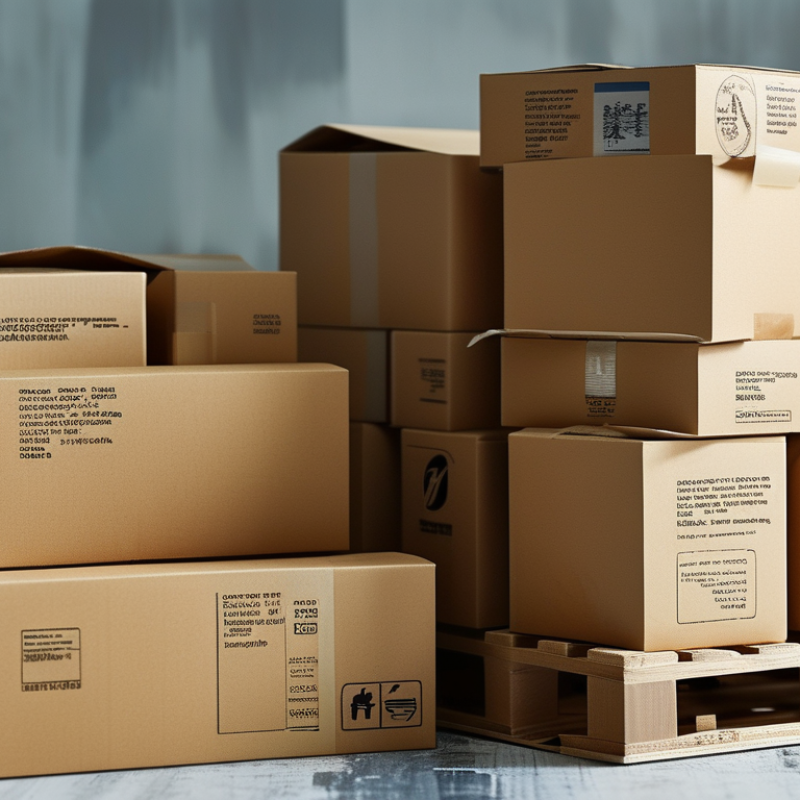
Top 10 Copy Paper Suppliers for Global Buyers

What Defines a Reliable Global Copy Paper Supplier

Top 10 Copy Paper Suppliers for Global Buyers

What Defines a Reliable Global Copy Paper Supplier

A reliable copy paper supplier delivers consistent sheets, not merely attractive prices. During purchasing checks, buyers should compare brightness, thickness, moisture, and cutting precision. Small variations can cause jams in high-speed office printers. That disruption quickly costs more than the original price difference.

Experience matters at the loading stage. Strong suppliers use sealed cartons, corner protection, and moisture-resistant wrapping. I once reviewed a shipment with excellent paper quality but damaged outer packaging. Several cartons were difficult to sell. The supplier responded quickly, yet the problem exposed a weak packing process. Reliable partners document corrective actions and improve future shipments.

Clear communication is equally important. A dependable supplier provides samples, production schedules, inspection records, and accurate shipping documents. Buyers should verify factory capacity, quality-control procedures, and relevant environmental certifications. They should also ask how the supplier handles delays, rejected goods, and seasonal demand. Silence is a warning sign.

Price is only one measure. Payment terms, port handling, replacement policies, and delivery reliability shape the real cost. A supplier may promise fast production but struggle during peak months. That possibility deserves honest discussion. Some buyers also overlook language differences and time zones, which can slow urgent decisions. Regular video inspections and written specifications reduce misunderstandings, although they do not remove every risk. Reliable cooperation is built through evidence, steady communication, and repeated performance.

How Copy Paper Suppliers Are Evaluated by International Buyers

Top 10 Copy Paper Suppliers for Global Buyers

How Copy Paper Suppliers Are Evaluated by International Buyers

International buyers evaluate copy paper suppliers beyond price. They inspect paper weight, brightness, opacity, smoothness, and sheet cutting accuracy. A reliable supplier provides recent test reports and consistent samples. Buyers may examine paper under office lighting, then test it in several common printers. Curling, dust, paper jams, and uneven packaging can quickly expose weak production controls.

Samples reveal defects.

Production capacity also matters. Buyers compare monthly output, lead times, carton strength, pallet protection, and export documentation. They often request factory photos, quality records, and evidence of previous international shipments. Communication is another practical test. Clear answers usually reduce delays during order changes or shipping problems. Still, no scorecard is perfect. A polished sample may not represent every production batch, and low prices can hide higher damage rates.

Tips: Request samples from different production dates. Confirm GSM and sheet count independently. Ask how moisture is controlled during storage. Check whether cartons resist compression during long transport. Keep written records of agreed specifications. Ask twice when details seem vague. A careful supplier should accept reasonable audits and explain corrective actions without defensiveness.

Top Supplier Profiles Across Major Paper-Producing Regions

Global buyers often compare copy paper suppliers by region, not by price alone. Northern European mills usually emphasize certified forestry, low-emission production, and precise A4 cutting. Central European suppliers often offer dependable office grades, strong pallet handling, and short delivery routes. North American producers commonly provide large-volume reels, consistent brightness, and contract flexibility. These profiles matter when monthly demand changes suddenly.

East Asian suppliers are known for efficient coating lines, competitive container loading, and broad grammage options. Southeast Asian mills may appeal to buyers seeking tropical-fiber alternatives, recycled content, or flexible private specifications. South Asian producers often support smaller trial orders and regional distribution. Latin American suppliers can combine local fiber resources with growing export capacity. Middle Eastern converters may provide practical access to nearby markets, especially for boxed Office Paper.

The remaining profiles deserve careful checking: recycled-paper specialists and niche premium-grade mills. They may offer useful environmental documentation or smoother printing performance, but availability can fluctuate. I have found that a polished specification sheet is not enough. Buyers should request recent test reports, moisture readings, carton photos, and shipment records. Verify ISO systems, forest-source claims, and product tolerances independently. Paper can look identical in a sample room yet behave differently in a high-speed copier. Pricing also needs context. A cheaper shipment may involve higher damage rates, port delays, or inconsistent sheet curl. Supplier rankings should be reviewed regularly, because mills change energy sources, pulp mixes, and export priorities.

Copy Paper Grades, Sizes, Brightness, and Packaging Options

Global copy paper buyers should compare grade, size, brightness, and packing details before discussing price. Office-grade paper commonly uses 70–80 gsm, while 90–100 gsm sheets feel stronger and reduce show-through. Recycled grades may show softer whiteness and slightly different texture. That is not automatically a defect. It depends on the printer, document, and sustainability target.

ISO 216 defines A4 at 210 × 297 mm, while Letter size remains common in North American workflows. Confirm the destination market before ordering. Brightness is often measured under ISO 2470-1, but brightness and whiteness are not identical. A brighter sheet can improve text contrast, yet excessive brightness may increase glare under strong office lighting. Check opacity, moisture, curl, and surface smoothness with printed samples. Small tests matter.

Packaging also affects usable quality. Reams usually contain 500 sheets, with cartons holding several reams for warehouse handling. Pallet wrapping should resist humidity, compression, and edge damage during ocean transport. FAOSTAT’s 2022 forestry statistics place global paper and paperboard production above 400 million tonnes, showing the scale of this supply chain. CEPI reported European paper and board production at about 79.5 million tonnes in 2023, despite weaker demand. These figures describe the wider market, not copy paper alone. Buyers should still verify current mill data, recycled content claims, and shipment conditions. A lower price can hide higher waste. That assumption needs checking.

Top 10 Copy Paper Suppliers for Global Buyers

Copy Paper Grades, Sizes, Brightness, and Packaging Options

How to read the chart:Brightness values show typical GE brightness ranges used for common copy-paper categories. Higher brightness generally provides stronger contrast for text and graphics, while Recycled Paper may have a lower brightness range.

Common specifications: Standard office copy paper is commonly available in 70–80 gsm, premium grades in 90–100 gsm, and recycled grades in approximately 70–80 gsm. A4 measures 210 × 297 mm, Letter measures 8.5 × 11 inches, and Legal measures 8.5 × 14 inches. A standard ream usually contains 500 sheets, while a common case contains five reams, or 2,500 sheets.

Packaging options: Buyers can typically choose individual reams, multi-ream cartons, bulk cases, palletized shipments, moisture-resistant wrapping, and customized export packaging.

Export Capacity, Certifications, Pricing, and Minimum Orders

When comparing the top 10 copy paper suppliers, global buyers should measure export capacity, not factory size alone. Ask for monthly tonnage, loading port, container experience, and average lead time. A supplier shipping 500 tons monthly may still struggle with urgent orders. Request recent packing photos and a sample commercial invoice.

Certifications deserve careful checking. Look for valid ISO 9001 or ISO 14001 certificates, plus FSC or PEFC documentation when responsible forestry is required. Confirm the certificate holder, scope, and expiry date with the issuing body. Paper quality also needs practical testing. Check GSM tolerance, brightness, moisture, cutting accuracy, and carton strength. Small details matter.

Pricing should compare equal specifications and delivery terms. A low EXW price can become expensive after inland transport, export handling, insurance, and ocean freight. Ask for FOB and CIF quotations with validity dates, pallet details, and payment conditions.

Minimum orders vary from a few pallets to full containers, so match them with your warehouse capacity. I would not trust a polished quotation without a physical sample and production record.

One weakness in this method is that supplier data can change quickly. Recheck capacity, certificates, and lead times before signing. A clear inspection plan can expose problems before twenty tons arrive at the port.

How Global Buyers Can Compare Suppliers and Select the Right Partner

Top 10 Copy Paper Suppliers for Global Buyers

A top-ten list is only a starting point. Global buyers should compare suppliers using the same practical scorecard. Check product specifications, monthly capacity, export experience, and response speed. Request recent test reports for brightness, opacity, moisture, and sheet dimensions. A 500-sheet ream should feel consistent, with clean cuts and undamaged wrapping. Small details matter.

Ask for samples from the proposed production line, not a generic warehouse sample. Compare paper performance in your printers, especially during long runs. Record jams, dust, curl, and toner adhesion. Confirm pallet dimensions, carton strength, loading photos, and agreed shipping terms. A dependable supplier explains lead times, minimum order quantities, and replacement procedures in writing. Verify certificates with the issuing organization when possible. Documents can be outdated. That happens.

Price deserves careful attention, but the lowest quotation may hide higher costs. Calculate landed cost, including freight, duties, inspection, storage, and expected waste. Evaluate payment terms without ignoring cash-flow pressure. Speak with two or three current buyers, then ask specific questions about delays and claims. A trial order can reveal more than a polished presentation. Set measurable acceptance criteria before production. Review performance after delivery, and keep records for the next purchase. The right partner is not always the largest supplier. It is the one that communicates clearly, delivers consistently, and accepts reasonable correction when problems appear.

Top 10 Copy Paper Suppliers for Global Buyers - How Global Buyers Can Compare Suppliers and Select the Right Partner

Anonymized supplier comparison based on commonly used international copy-paper specifications and procurement benchmarks

Note: Supplier names and brands are intentionally omitted. Capacity, MOQ, lead time, and pricing are indicative sourcing benchmarks and should be verified through current quotations, technical data sheets, certificates, and pre-shipment inspections.
Rank Anonymous Supplier Profile Primary Supply Region Typical Product Range Common GSM Brightness Range Standard Sizes Indicative MOQ Typical Lead Time Certification Options Best Buyer Fit
1 Profile A - Large Integrated Mill Northern Europe Office copy paper, multifunction paper, premium inkjet paper 75-90 g/m² ISO 90-100 A4, A3, Letter 20-40 metric tons 30-60 days FSC or PEFC, ISO 9001, ISO 14001, EU Ecolabel where applicable Large distributors requiring consistent quality and sustainability documentation
2 Profile B - High-Volume Asian Export Mill East Asia Standard copy paper, economy office paper, private-label formats 70-80 g/m² ISO 88-98 A4, A3, Letter, Legal 40-100 metric tons 25-50 days FSC, ISO 9001, ISO 14001, applicable customs and phytosanitary documentation Importers prioritizing competitive volume pricing and broad export capacity
3 Profile C - Recycled-Fiber Specialist Western Europe Recycled office paper, post-consumer fiber paper, eco-focused products 75-90 g/m² ISO 80-95 A4, A3, Letter 10-30 metric tons 30-60 days FSC Recycled, Blue Angel or EU Ecolabel where applicable, ISO 14001 Public-sector buyers and companies with recycled-content targets
4 Profile D - Private-Label Converting Partner Southeast Asia Cut-size paper, customized reams, printed cartons and retail packaging 70-100 g/m² ISO 87-98 A4, A3, Letter, custom sizes 10-25 metric tons 35-65 days FSC, ISO 9001, social-compliance audit reports upon request Retailers and wholesalers needing custom packaging or private-label services
5 Profile E - Regional North American Producer North America Letter-size copy paper, office paper, business printing paper 75-92 g/m² ISO 90-100 Letter, Legal, A4, A3 20-50 metric tons 20-45 days FSC or SFI, ISO 9001, ISO 14001, recycled-content declarations Buyers serving North American offices and requiring short regional transit times
6 Profile F - Cost-Efficient South Asian Exporter South Asia Economy copy paper, school and office paper, bulk institutional supply 70-80 g/m² ISO 85-96 A4, A3, Letter, Legal 50-150 metric tons 35-70 days ISO 9001, FSC availability varies by production line, cargo documentation Price-sensitive buyers purchasing full-container or institutional volumes
7 Profile G - Premium Print-Performance Mill Central Europe High-opacity office paper, laser-print paper, premium multifunction paper 80-100 g/m² ISO 92-100 A4, A3, Letter 15-35 metric tons 30-55 days FSC or PEFC, ISO 9001, ISO 14001, ISO 9706 product testing where offered Corporate users and print-service providers seeking smooth feeding and low dust
8 Profile H - Fast-Replenishment Regional Supplier Middle East and North Africa Standard copy paper, institutional paper, regional distribution packs 75-80 g/m² ISO 87-97 A4, A3, Letter 10-30 metric tons 15-40 days ISO 9001, FSC availability varies, certificate-of-origin documentation Distributors that value regional stock, shorter delivery windows, and flexible orders
9 Profile I - Sustainable Specialty Converter Oceania Recycled copy paper, compact retail packs, custom sheet counts 75-90 g/m² ISO 80-96 A4, A3, Letter, custom sizes 5-20 metric tons 30-60 days FSC Recycled, ISO 14001, recycled-content and packaging-recyclability declarations Smaller retailers and sustainability-led buyers needing flexible pack configurations
10 Profile J - Flexible Small-Batch Manufacturer Latin America General-purpose copy paper, educational paper, customized carton quantities 70-90 g/m² ISO 85-97 A4, A3, Letter, Legal 5-15 metric tons 25-55 days ISO 9001, FSC availability varies, local compliance and export documentation Regional buyers seeking lower MOQs, product customization, and direct communication
Key Selection Criteria: Compare sheet quality, opacity, moisture control, curl, dust level, packaging strength, certificate validity, order flexibility, landed cost, payment terms, and delivery reliability before selecting a long-term partner.

FAQS

: How should global buyers compare copy paper suppliers?

: Use the same scorecard for every supplier. Check specifications, capacity, export experience, response speed, and delivery records. A lower price may hide port delays or damaged cartons. That assumption needs checking.

Which paper grammage suits ordinary office printing?

Paper between 70 and 80 gsm usually suits routine office documents. Paper from 90 to 100 gsm feels stronger and reduces show-through. Choose based on printers, document type, and handling needs. Thicker is not always better.

What sizes should buyers confirm before ordering?

Confirm the destination’s standard paper size before production. A4 measures 210 × 297 millimeters. Letter size remains common in some markets. Size mistakes become expensive quickly.

Does higher brightness always mean better paper?

Higher brightness can improve text contrast. However, strong office lighting may create uncomfortable glare. Compare brightness with opacity, smoothness, and printed samples. The brightest sheet may not perform best.

What should buyers inspect in paper samples?

Test samples in the actual printers used for long office runs. Record jams, paper dust, curl, toner adhesion, and feeding consistency. Also check clean edges and uniform cutting. Small tests matter.

How important are ream and carton packages?

Packaging protects paper from humidity, compression, and edge damage. A standard ream commonly contains 500 sheets. Cartons should remain firm during warehouse handling and ocean transport. Weak wrapping creates avoidable waste.

What documents should buyers request from suppliers?

Request recent test reports, moisture readings, carton photos, and shipment records. Check fiber-source claims, recycled content, and product tolerances independently. Certificates can become outdated. That happens.

Is a trial order necessary before a large purchase?

A trial order can reveal problems hidden by a polished presentation. Set acceptance limits for moisture, dimensions, curl, packaging, and printing performance. Review the results after delivery. Keep records.

How should buyers calculate the real purchase cost?

Include freight, duties, inspection, storage, and expected paper waste. Also consider minimum quantities, payment timing, and replacement procedures. The cheapest quotation may become expensive later. Review the calculation again.

Conclusion

This guide explores what makes a reliable Copy Paper supplier for international buyers, including consistent product quality, dependable production, transparent communication, and strong export capabilities. It explains how suppliers are evaluated through paper performance, delivery reliability, certifications, pricing, minimum order quantities, and their ability to meet different regional requirements. The article also reviews leading supplier profiles across major paper-producing regions without focusing on specific brand names.

Readers will learn how to compare Copy Paper grades, sheet sizes, brightness levels, packaging formats, and customization options for offices, retailers, distributors, and institutional purchasers. It also outlines key considerations such as shipping capacity, documentation, quality control, sustainable production practices, and long-term supply stability. By weighing these factors together, global buyers can identify suitable partners, reduce purchasing risks, manage costs effectively, and build dependable international sourcing relationships.
Isabella

Isabella

Isabella is a dedicated marketing professional at Tianjin Port Free Trade Zone Jingkuo International Trade Co., LTD, where she leverages her extensive expertise to enhance the company’s market presence. With a strong focus on high-quality products as the cornerstone of customer satisfaction,......
Previous How to Source Thermal Coating Paper in 2026?