The US Thermal Receipt Market: Industrial Status, Trends, and Applications
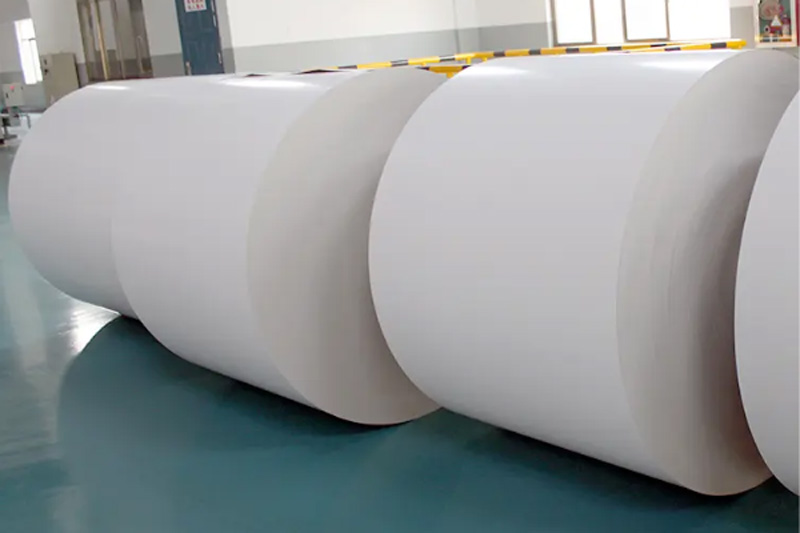
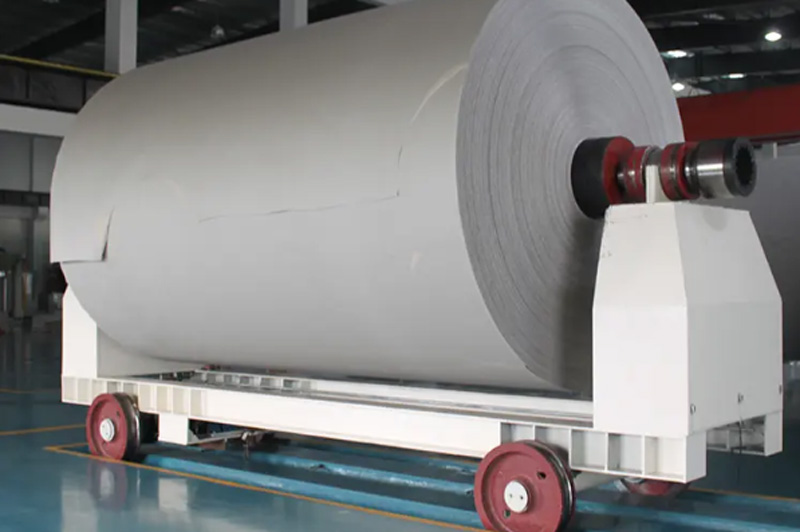
In the United States, the demand for thermal receipt paper is deeply integrated into the daily operations of countless industries. From the bustling retail corridors of New York and Los Angeles to the massive logistics hubs in the Midwest, thermal paper serves as a critical medium for transactional records, tracking labels, and customer communication. Despite the rise of digital receipts, the physical receipt remains a cornerstone of consumer trust, legal compliance, and operational efficiency across the nation.
1. Current Industrial Status in the United States
The US market for Point of Sale (POS) and thermal paper products is one of the largest in the world. Major retail giants like Walmart, Target, Costco, and Kroger consume millions of thermal receipt rolls daily. Beyond traditional retail, the explosion of quick-service restaurants (QSRs), coffee shops, and third-party delivery services (such as DoorDash, UberEats, and Grubhub) has created a continuous, high-volume demand for reliable thermal printing supplies. Furthermore, the logistics sector, driven by e-commerce giants like Amazon and shipping leaders like FedEx, UPS, and the USPS, relies heavily on thermal paper for shipping labels, inventory tracking, and delivery receipts.
2. Key Trends Shaping the Industry
- Eco-Friendly and Health-Conscious Formulations: One of the most significant shifts in the US thermal paper industry is the transition away from phenols. Consumer health concerns and state-level regulations (such as California's Proposition 65) have driven massive demand for BPA-free (Bisphenol A) and BPS-free (Bisphenol S) thermal paper rolls. US businesses are actively seeking suppliers who can guarantee non-toxic, eco-friendly coatings without sacrificing print clarity or durability.
- High-Durability and Long-Lasting Prints: Modern businesses require receipts and labels that can withstand environmental exposure. In sectors like medical record keeping, logistics, and long-term archiving, thermal paper must resist heat, moisture, and friction. High-sensitivity, ultra-clear coatings are essential to prevent fading over time.
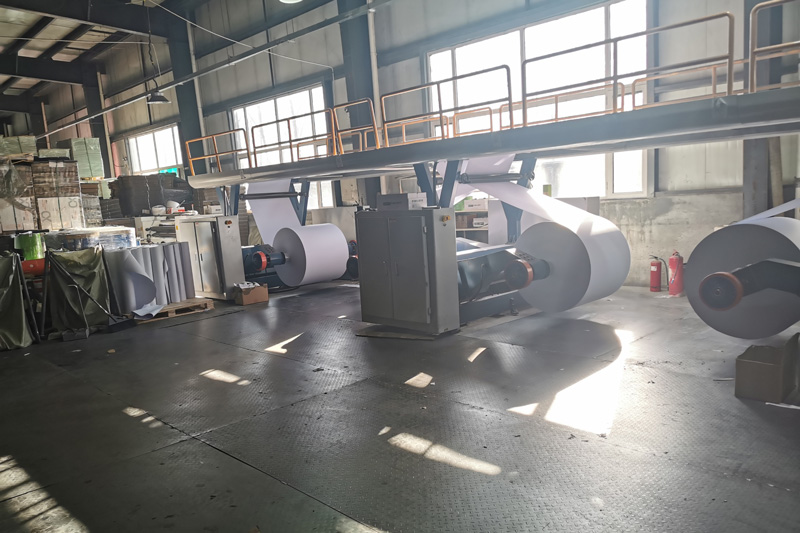
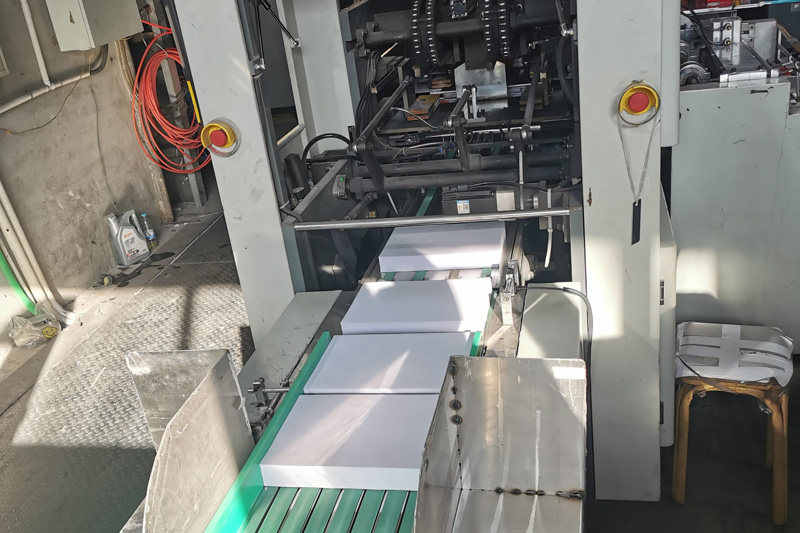
- Customization and Branding: US retailers are increasingly using the back of thermal receipts as valuable marketing real estate. Pre-printed coupons, store return policies, QR codes linking to digital surveys, and company logos are standard requirements. This requires advanced printing capabilities at the factory level to ensure precise alignment and vivid color printing on the reverse side of the rolls.
3. Localized Application Scenarios
Thermal paper rolls are utilized in diverse environments throughout the United States:
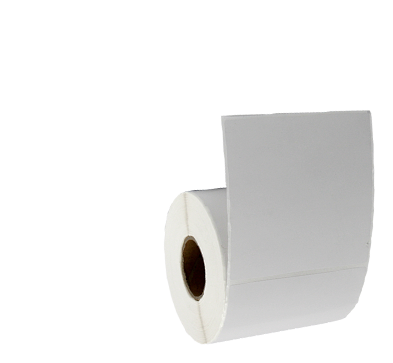
- Retail & POS Systems: Standard 3-1/8" x 230' thermal rolls are the workhorse of grocery stores, supermarkets, apparel boutiques, and department stores, compatible with leading hardware brands like Epson, Star Micronics, Clover, and Square.
- Banking & ATMs: Financial institutions require highly durable, thick thermal rolls for ATM transaction records, ensuring clear text and barcode legibility even in outdoor environments.
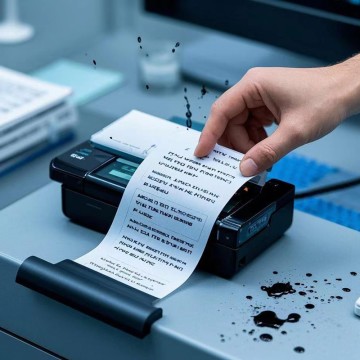
- Hospitality & Kitchen Printers: Restaurants and bars utilize specialized thermal paper that can withstand the heat and humidity of commercial kitchens, ensuring orders are printed clearly and do not smudge during food preparation.
- Logistics & Warehousing: Mobile printers used by delivery drivers and warehouse staff require smaller, rugged thermal rolls (such as 2-1/4" x 85') that can print on-the-go under varying weather conditions.